Why Mindfulness Matters
Research consistently shows that mindfulness practice lowers perceived stress and improves emotional regulation across ages. A systematic review in JAMA Psychiatry (2020) found mindfulness‑based interventions significantly reduced anxiety and depression symptoms compared with control groups, while controlled breathing activates the parasympathetic nervous system to lower heart rate and blood pressure within minutes. The 5‑4‑3‑2‑1 grounding technique and body‑scan meditations improve interoceptive awareness, helping adults and teens recognize early signs of stress and respond with calm rather than rumination. Studies of Mind‑based stress reduction (MBSR) report better sleep quality, reduced cortisol, and enhanced cognitive flexibility, supporting daily functioning and productivity. For teens, mindfulness boosts attention, self‑compassion, and resilience, translating into improved academic performance and social relationships. Together, these findings underline mindfulness as a simple, evidence‑based tool that can be integrated into everyday life to foster lasting mental‑health benefits.
Core Mindfulness Techniques and Quick Resources
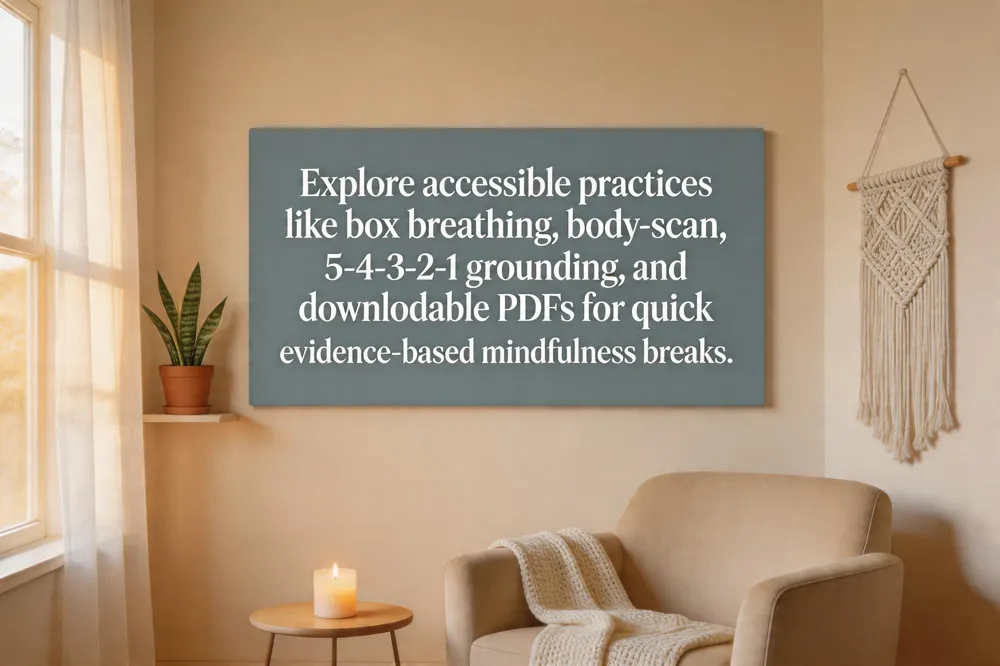 Mindful breathing is one of the most accessible ways to calm the nervous system. By focusing on the inhale, pause, and exhale—often using a simple 4‑4‑4‑4 box pattern—this activates the parasympathetic response, lowering heart rate and cortisol within minutes. A body‑scan meditation expands this awareness, guiding attention gradually from the toes to the head (or vice‑versa) and noting sensations without judgment. This practice improves interoceptive awareness, helping you recognize early signs of stress or emotional dysregulation.
The 5‑4‑3‑2‑1 grounding exercise engages all five senses (five things you see, four you feel, three you hear, two you smell, one you taste) to anchor the mind in the present moment. It is an evidence‑based strategy for managing acute anxiety, panic attacks, and rumination, and it can be performed anywhere—while waiting in line, on a bus, or during a brief work break.
Mindfulness exercises PDF Below is a free, printable PDF that compiles a variety of easy‑to‑practice mindfulness exercises you can use at home or in therapy sessions. The handout includes step‑by‑step guides for mindful breathing, body scans, five‑sense grounding, mindful listening, and simple “mindful moments” for everyday activities such as opening a door or eating a snack. Each exercise is written in clear language, takes only a few minutes, and requires minimal or no equipment, making it suitable for adults and teens alike. You can download the PDF directly from our website and keep it on your phone, tablet, or printed out for quick reference whenever you need a calm, focused break. If you have any questions or would like personalized guidance, feel free to schedule a session with Julia Flynn Counseling.
2 minute mindfulness exercise PDF You can download a handy two‑minute mindfulness exercise PDF that includes quick grounding, breathing, and movement techniques perfect for busy adults and teens. The handout features the popular 5‑4‑3‑2‑1 grounding exercise, square‑breathing instructions, gentle stretch prompts, and a brief body‑scan script—all designed to be completed in under two minutes. Each technique is illustrated with simple diagrams and step‑by‑step directions so you can practice wherever you are—at work, in class, or at home. The PDF is free to use and can be printed or saved on a phone for instant access during a stressful moment. Visit our website’s Resources page to download the “2‑Minute Mindfulness Exercise” PDF today.
Mindfulness and mental health PDF If you are looking for a downloadable PDF that explains how mindfulness supports mental health, the Mental Health Foundation offers a free guide titled “How to look after your mental health using mindfulness,” which outlines simple practices, evidence, and tips for daily use. A peer‑reviewed study in Frontiers in Psychology (2024) also provides a PDF called “Mindfulness and mental health: the importance of a clinical intervention to prevent the effects of a traumatic event,” summarising pilot‑study results showing reduced anxiety and trauma symptoms. Another useful PDF is the 2020 intervention paper “Improving Mental Health and Well‑Being through Informal Mindfulness Practices,” which demonstrates that brief, informal mindfulness can lower stress, anxiety and depression. All of these documents can be downloaded directly from the respective organization’s website or through PubMed Central. They are excellent resources for clients and therapists who want evidence‑based, printable material to support mindfulness‑based mental‑health work.
Mindfulness in everyday life PDF The “Mindfulness in Everyday Life” PDF is a printable guide that introduces basic mindfulness concepts and offers simple exercises you can weave into daily routines. It includes short practices such as a one‑minute breathing exercise, mindful eating, walking, and mindful listening, plus tips for staying present while brushing teeth, showering, driving, or doing dishes. The guide emphasizes a non‑judgmental, present‑focused attitude and encourages labeling thoughts and emotions to let them pass. It is freely available from the Black Dog Institute and can be downloaded as a PDF for personal use, making it a convenient resource for clients who want to practice mindfulness between therapy sessions. Using the exercises can help reduce stress, improve mood regulation, and support overall mental‑health well‑being.
Daily Mindfulness Practices for Adults and Teens
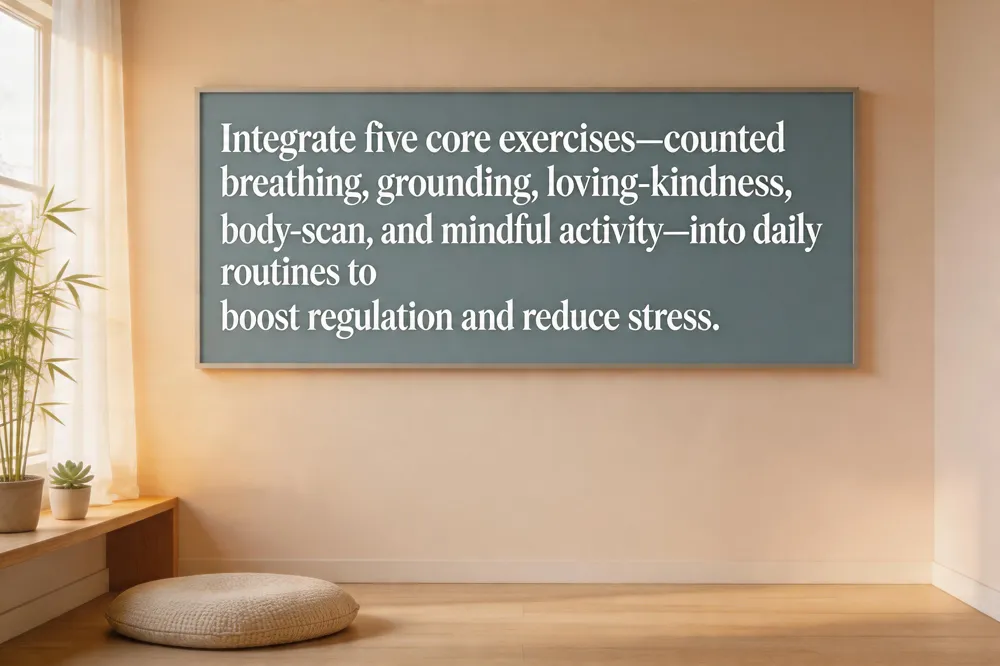 Mindful breathing counts—for example, inhaling for three seconds, holding for two, and exhaling for four—anchor attention and trigger the parasympathetic nervous system. A five‑minute breathing pause has been linked to reduced cortisol levels, quicker heart‑rate recovery, and improved concentration, making it an ideal quick reset during work or study.
When anxiety spikes, the 5‑4‑3‑2‑1 grounding technique engages all five senses: name five things you see, four you feel, three you hear, two you smell, and one you taste. This evidence‑based strategy interrupts rumination and can calm panic attacks within minutes.
Loving‑kindness meditation cultivates compassion by silently wishing well‑being for yourself, loved ones, neutral people, and even difficult individuals. Studies associate this practice with increased positive affect, reduced depressive symptoms, and stronger social connections.
Integrating mindfulness into routine activities turns everyday moments into therapeutic exercises. While eating, pause before each bite and savor the texture, aroma, and flavor; during a walk, focus on the sensation of each footfall and the rhythm of your breath; while washing dishes, notice the temperature of the water and the feel of the plates. These informal practices, combined with short sitting or walking meditations, reinforce non‑judgmental awareness throughout the day.
Together, these five exercises—body‑scan, counted breathing, 5‑4‑3‑2‑1 grounding, loving‑kindness, and mindful integration—provide a flexible, evidence‑based toolkit that supports emotional regulation, reduces stress, and promotes overall mental health for both adults and teens.
Self‑Care, Mental‑Health Strategies and Lifestyle Tips
 How to improve mental health at home
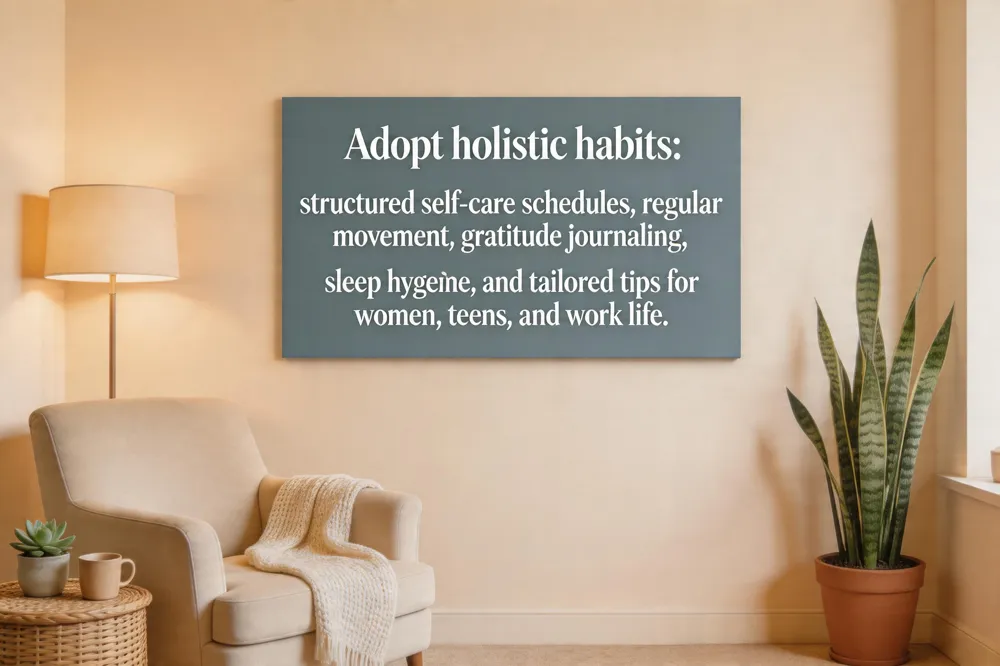
Create a simple, visible self‑care schedule that includes a consistent bedtime routine, a brief daily movement session (e.g., a 10‑minute walk or gentle yoga), and a gratitude practice. Set up a quiet corner with a comfortable seat, a soothing scent, or a favorite blanket for short mindfulness or deep‑breathing exercises when stress arises. Use video calls or regular phone chats to stay emotionally connected with loved ones.
How to improve mental health at home
Create a simple, visible self‑care schedule that includes a consistent bedtime routine, a brief daily movement session (e.g., a 10‑minute walk or gentle yoga), and a gratitude practice. Set up a quiet corner with a comfortable seat, a soothing scent, or a favorite blanket for short mindfulness or deep‑breathing exercises when stress arises. Use video calls or regular phone chats to stay emotionally connected with loved ones.
Self‑care tips for mental health Prioritize 30‑minute physical activity most days—walking, dancing, or body‑weight circuits—to lift mood and lower cortisol. Pair movement with balanced meals rich in whole foods, stay hydrated, and limit caffeine or alcohol. Keep a dark, cool bedroom and avoid screens at least 30 minutes before sleep to support restorative rest. Practice daily breathing (e.g., 4‑4‑4‑4 box breath) and write three things you’re grateful for each evening to reinforce positive affect.
Mental health tips for women Maintain regular aerobic activity and strength training to combat anxiety and hormonal fluctuations. Establish a consistent sleep schedule, aiming for 7‑9 hours in a cool, screen‑free environment. Use brief mindfulness or box‑breathing to calm the nervous system during menstrual, pregnancy, or menopause phases. Stay socially connected through supportive groups or therapy, and keep a gratitude journal to track emotional shifts.
Mental health tips for teens Encourage journaling, art, or sport as safe outlets for emotions. Monitor social‑media use and set screen‑time limits to protect sleep and self‑esteem. Teach self‑compassion by celebrating effort rather than perfection. Foster open conversations about mental health and ensure access to trusted adults or counselors when needed.
Mental health tips for work Set firm boundaries: turn off work notifications after hours and schedule short breaks for breathing or stretching. Utilize Employee Assistance Programs for confidential support. Communicate workload concerns openly to create a psychologically safe team environment. Outside work, prioritize regular exercise, adequate sleep, and meaningful social interactions to build resilience.
Mindfulness in Specific Populations and Addressing Challenges
 Mindfulness offers adaptable tools that can support diverse groups, but it also carries considerations that clinicians and educators should keep in mind.
Benefits of mindfulness in students Mindfulness helps students manage stress and regulate emotions, leading to lower anxiety and improved mood. It sharpens attention and working memory, allowing them to stay focused on lessons and retain information more effectively. By fostering self‑awareness and equanimity, mindfulness enhances emotional resilience and reduces impulsive reactions in challenging situations. Regular practice also promotes empathy and social connection, creating a more supportive classroom environment. Overall, these mental‑health and cognitive gains support both academic performance and personal well‑being.
Benefits of mindfulness for kids Mindfulness teaches children to notice emotions without judgment, which reduces anxiety and improves emotional regulation. Regular practice strengthens attention and focus, leading to better academic performance and less impulsive behavior. It also promotes compassion and social skills, decreasing aggression and fostering healthier peer relationships. Brain research shows mindfulness reduces amygdala stress reactivity, boosts hippocampal function for learning, and activates the prefrontal cortex for decision‑making. The result is calmer, more resilient kids who can thrive in school and at home.
Does meditation help with dysautonomia? Yes, meditation can be a useful adjunct for dysautonomia. Mindfulness‑based breath work activates the parasympathetic nervous system, counteracting the excessive sympathetic tone seen in conditions like POTS. Emerging studies on related disorders (e.g., Ehlers‑Danlos syndrome, chronic pain) demonstrate improved heart‑rate variability and better autonomic balance. While it does not cure the underlying connective‑tissue or neurological issues, a brief daily meditation practice may lessen dizziness, fatigue, and gastrointestinal upset, enhancing overall quality of life.
Disadvantages of mindfulness Mindfulness can sometimes increase emotional distress, as heightened awareness may surface painful thoughts or memories without immediate relief. Brief inductions have been linked to a higher likelihood of false memories, suggesting that intense present‑moment focus can distort recollection. Individuals with trauma histories may experience anxiety, dissociation, or intrusive sensations during intensive practice. Additionally, the time required to build a routine can feel burdensome, leading to frustration or a sense of failure when progress is slow. Mindfulness is not a universal cure and should be integrated with other therapeutic approaches when needed.
Mindfulness activities for students Simple classroom practices—such as the Five‑Senses Exercise, Pinwheel Breathing, and brief Body Scans—can be done in a few minutes without special equipment. Older students benefit from guided breathing spaces, mindful movement, and attentive listening to music. A “Coping Box” with items like a worry jar, sensory bottle, or calming affirmations provides a personal toolkit for managing anxiety throughout the day. Consistent use of these techniques builds concentration, decision‑making confidence, and a stronger sense of connection with peers.
Putting It All Together: A Sustainable Mindfulness Routine
Building a lasting mindfulness habit starts with small, consistent steps. Begin with 5‑10 minutes of a simple practice—such as mindful breathing or a brief body‑scan—at the same time each day; pairing the session with an existing routine (e.g., after brushing teeth) helps the behavior stick. Use free, evidence‑based resources to keep costs low: the Insight Timer app, the NHS Mental Health mindfulness guides, and the APA‑endorsed MBSR videos all offer guided meditations, the 5‑4‑3‑2‑1 grounding technique, and gratitude journaling prompts. Record progress in a brief log to notice trends and reinforce motivation. While self‑practice benefits most people, professional support is advisable if mindfulness triggers overwhelming emotions, intensifies anxiety, or if you have a history of trauma, severe depression, or psychosis. In those cases, a therapist trained in MBCT or DBT can tailor exercises safely and integrate them with other treatments. This balanced approach—consistent practice, accessible tools, and timely professional help—creates a sustainable mindfulness routine that supports long‑term mental well‑being.