Why Compassion Matters in Social Anxiety
Social anxiety disorder affects about 7 % of U.S. adults each year, producing intense fear of judgment, physical symptoms such as blushing and rapid heartbeat, and avoidance that disrupts work, school, and relationships. Research shows self‑compassion—mindful acceptance, kindness, and common humanity—directly lowers both interaction and performance anxiety and buffers against depression. High self‑compassion is linked to greater use of adaptive emotion‑regulation strategies like cognitive reappraisal, while low self‑compassion correlates with expressive suppression, which maintains threat arousal. By cultivating a compassionate inner stance, individuals improve regulation of anxious emotions, reduce physiological stress, and create a safer internal environment for social engagement.
Quick Relief Techniques for Acute Anxiety
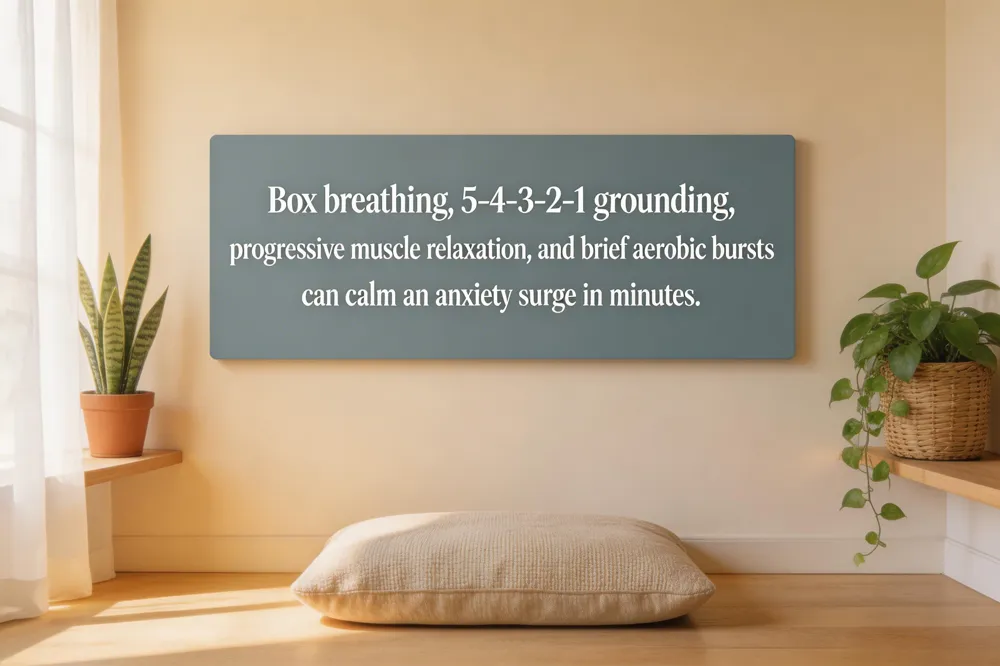 Box (square) breathing, grounding (5‑4‑3‑2‑1 grounding), Progressive muscle relaxation and brief aerobic activity are evidence‑based tools that can calm a surge of anxiety in minutes.
Anxiety relief exercise – Square breathing (inhale 4 seconds, hold 4, exhale 4, hold 4) steadies the heart rate and engages the parasympathetic system. Pair it with a quick grounding check‑in: name five things you see, four you can touch, three you hear, two you smell, and one you taste. This shifts attention from rumination to the present. Progressive muscle relaxation—tense each muscle group for 10 seconds, then release—dissolves physical tension. A short brisk walk or a minute of light jumping jacks triggers endorphin release and lifts mood for hours.
Ways to calm an anxiety attack – Begin with box breathing, then move through the 5‑4‑3‑2‑1 grounding sequence. Follow with Progressive muscle relaxation from toes to head, and if possible, splash cold water on your face or engage in a brief aerobic burst (e.g., 2‑minute jog). Reach out to a trusted person for support, and remember to label the feeling (“I’m feeling anxious”) to activate the prefrontal cortex and reduce panic.
How to reduce anxiety immediately at home – Start with the 4‑7‑8 breath (inhale 4, hold 7, exhale 8), then perform the 5‑4‑3‑2‑1 grounding exercise. Gentle stretches or a short walk release muscular tightness. Visualize a calm place while continuing slow breaths, and consider soothing actions like cuddling a pet or chewing gum. Label the sensation and remind yourself it will pass, reinforcing a compassionate inner voice.
Compassionate Practices to Reduce Self‑Criticism
 Self‑compassion breaks are a simple entry point for anyone struggling with harsh self‑talk. In just a few breaths, you acknowledge the painful feeling, remind yourself that suffering is a shared human experience, and offer a kind phrase such as “May I be safe, may I be calm.”
Compassionate imagery—visualizing a warm, caring “inner friend” or a protective figure—activates the brain’s soothing system and quiets the threat response that fuels social anxiety. Pair this with loving‑kindness or affectionate breathing, where each inhale invites warmth and each exhale releases tension, deepening the sense of connection to yourself and others.
Supportive touch and grounding exercises (e.g., placing a hand on the heart or feeling the soles of the feet) engage the parasympathetic nervous system, lowering heart rate and cortisol in the moment.
Writing a compassionate letter to yourself or keeping a self‑compassion diary helps re‑frame critical thoughts into nurturing, realistic perspectives. These reflective practices turn fleeting kindness into a lasting habit.
Together, these CFT techniques—self‑compassion breaks, compassionate imagery, loving‑kindness breathing, supportive touch, and compassionate writing—provide a toolbox for reducing self‑criticism and building emotional resilience in daily life.
Cognitive Strategies to Overcome Overthinking
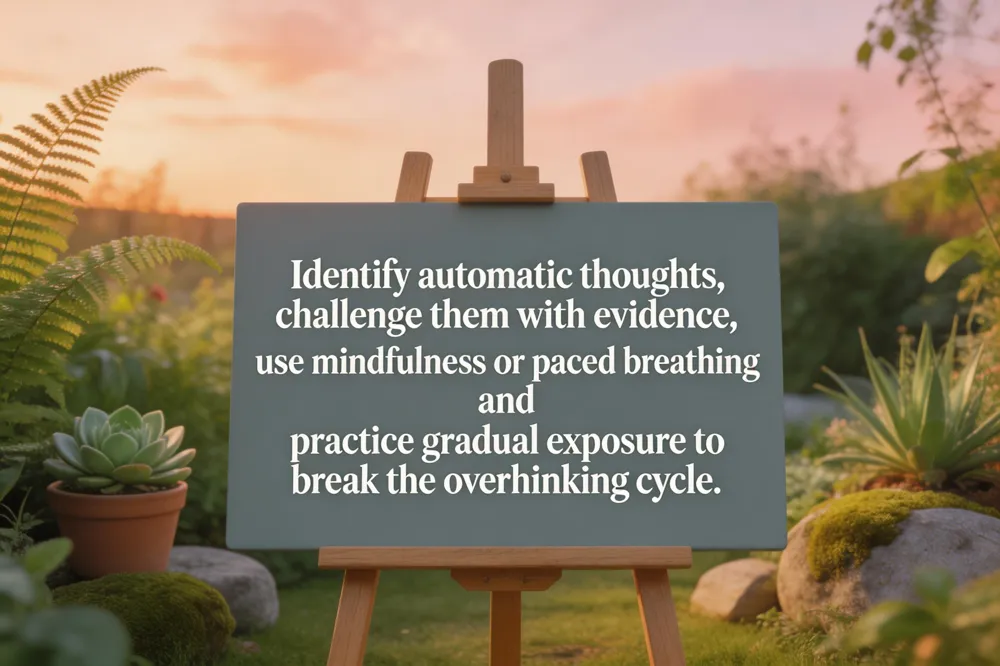 How to overcome social anxiety and overthinking – Begin by spotting automatic negative thoughts (e.g., “Everyone will judge me”). Challenge them with evidence and replace them with balanced statements. Mindfulness or a brief deep‑breathing pause (4‑7‑8 or 3‑second inhale‑pause‑exhale) calms the physiological surge, making it easier to stay present. Gradual exposure—starting with low‑stakes interactions such as greeting a cashier—desensitizes the threat system and builds confidence. Shifting focus outward, listening actively, and practicing compassionate self‑talk (e.g., “May I be safe, may I be calm”) further reduces self‑criticism.
How to overcome social anxiety fast – Use paced diaphragmatic breathing to activate the parasympathetic nervous system. Quickly label the anxiety (“I am feeling nervous”) and reframe the worst‑case scenario with realistic odds. Set a tiny exposure goal (e.g., ask a colleague a simple question) and repeat it daily. Pair these steps with regular aerobic exercise and adequate sleep to support emotional regulation.
How to overcome social anxiety and shyness – Combine cognitive restructuring with compassionate imagery (visualizing a warm, caring hue flowing through the body). Practice safe‑place imagery before feared events and use soothing rhythm breathing (≈3‑second inhale/exhale) to lower heart rate. Incremental exposure, paired with self‑compassion breaks (hand over heart, gentle mantra), weakens the shame‑driven threat response.
Overcoming social anxiety: Step by step – 1) Identify fear patterns; 2) Apply CBT techniques to challenge thoughts; 3) Engage in repeated, graded exposure; 4) Integrate mindfulness, deep breathing, and self‑compassion exercises; 5) Maintain a brief anxiety diary to track progress and reinforce learning.
Strategies for social anxiety – Cognitive‑behavioral restructuring, gradual exposure, relaxation tools (breathing, progressive muscle relaxation), and compassion‑focused techniques (compassionate self‑talk, safe‑place imagery) together create a comprehensive, evidence‑based plan. When symptoms persist, seek a licensed therapist trained in CBT or Compassion‑Focused Therapy for personalized guidance.
Tips for people with social anxiety – 1) Challenge unhelpful thoughts with realistic evidence; 2) Start small exposure steps; 3) Use deep‑breathing or mindfulness to calm the body; 4) Keep a brief journal of successes and thought distortions; 5) Consider professional support for tailored CBT or CFT interventions.
Understanding the Distinction Between CFT and CBT
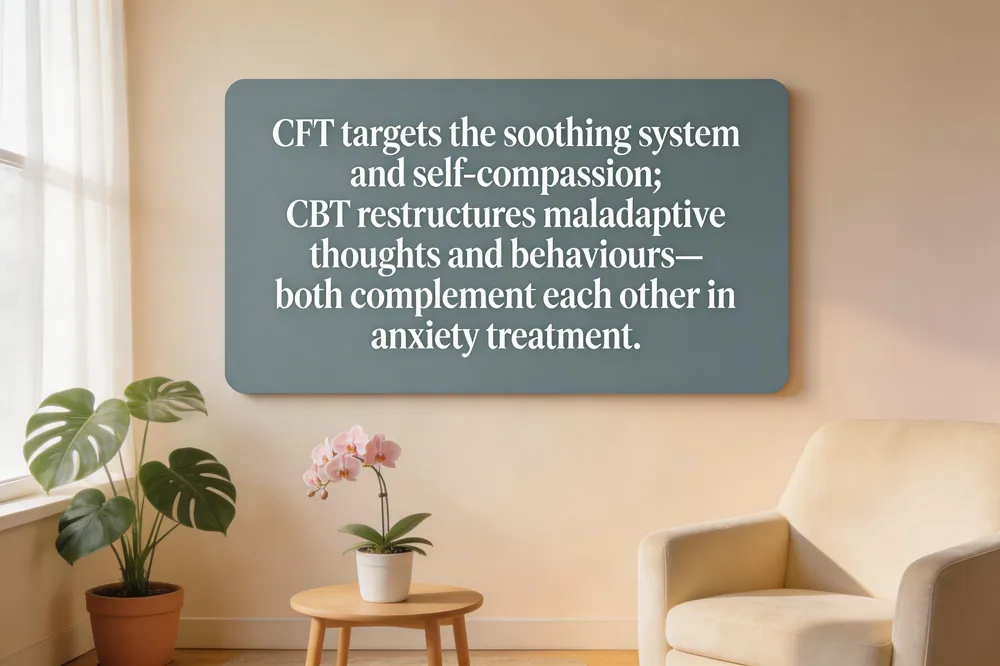 Core focus of CFT: Compassion‑Focused Therapy activates the brain’s soothing system, emphasizing self‑compassion and mindfulness and compassionate imagery to counteract threat‑driven shame and self‑criticism.
Techniques such as soothing rhythm breathing, safe‑place imagery, and the compassionate self help clients feel inner safety and warmth.
Core focus of CBT: Cognitive‑Behavioural Therapy targets maladaptive thoughts and avoidance behaviours.
It uses cognitive restructuring , behavioural experiments, and exposure to modify erroneous beliefs and reduce fear.
When each approach is most useful: CFT shines for individuals whose social anxiety is driven by harsh self‑judgment, shame, or low self‑worth, while CBT is ideal for those who benefit from structured skill‑building to change thoughts and actions.
How is CFT different from CBT? CFT differs by focusing on emotional regulation and self‑compassion rather than only on thoughts and behaviours.
It strengthens the soothing system and addresses shame, whereas CBT restructures thoughts and reduces avoidance.
CBT for social anxiety combines cognitive restructuring, mindfulness, and gradual exposure.
Clients learn to catch and test automatic thoughts, stay present, and face feared situations step‑by‑step, leading to lasting symptom reduction.
What are coping strategies for social anxiety? Mindfulness, deep breathing, cognitive challenges, gradual exposure, progressive muscle relaxation, visualization, and grounding techniques form an “anxiety toolkit.” Professional support enhances skill integration.
Compassion Focused Therapy training equips clinicians with evidence‑based compassionate skills through workshops, online courses, and retreats led by experts like Paul Gilbert.
Training includes guided imagery, chairwork, and soothing breathing, often offering CE credits and practice guides for immediate clinical use.
Lifestyle, Nutrition, and Self‑Care for Long‑Term Resilience
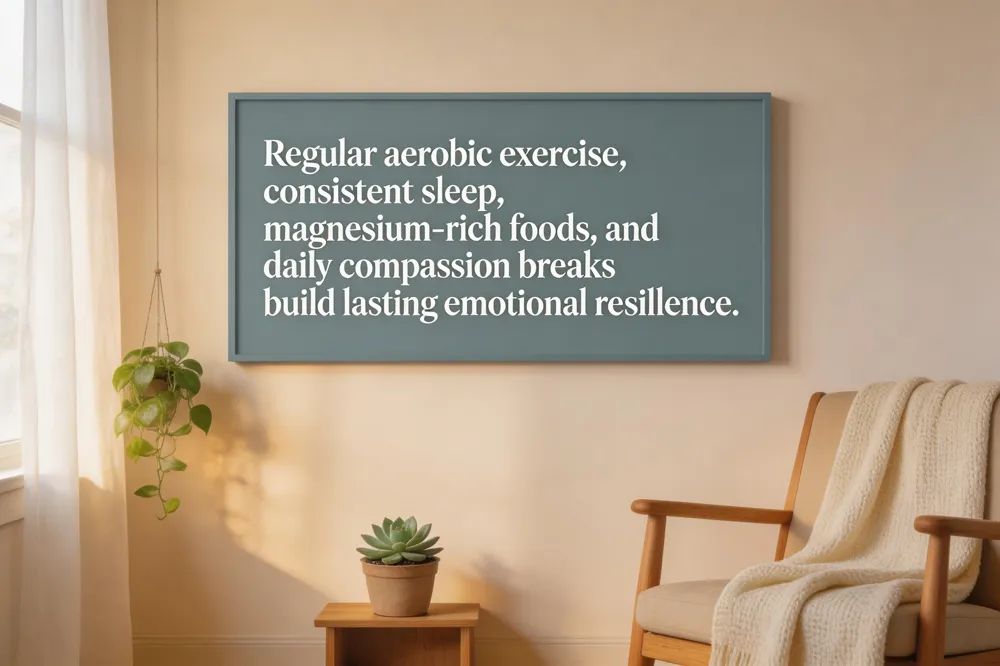 A resilient lifestyle blends physical movement, restorative sleep, nourishing food, and daily self‑compassion. Regular aerobic exercise—walking, cycling, or dancing—stimulates endorphin release, which buffers the threat system that fuels social anxiety and improves mood within minutes. Pair movement with a consistent sleep schedule: aim for 7‑9 hours, dim lights at bedtime, and avoid screens for at least 30 minutes to support emotional regulation and reduce the hyper‑vigilance of the amygdala.
Nutrition also plays a rapid role. Magnesium‑rich greens (spinach, Swiss chard), zinc‑rich nuts and seeds, omega‑3 fatty acids from salmon or walnuts, and fermented foods (kimchi, kombucha) help calm the nervous system and lower cortisol. A balanced breakfast with protein and complex carbs stabilizes blood sugar, preventing the jittery spikes that amplify anxiety.
self‑compassion can be woven into everyday moments. Begin each day with a brief “compassion break”: place a hand over your heart, notice the feeling of anxiety, and silently repeat, “May I be safe, may I be kind to myself.” This practice activates the soothing system, reduces self‑criticism, and prepares you for social exposure.
Quick Q&A
- What are 5 ways to show compassion? Speak kindly, listen attentively, offer concrete help, celebrate others' successes, and practice patience and forgiveness.
- What are the 5 C’s of compassion? Competence, confidence, connection, caring (compassion), and character.
- What are the 5 C’s of anxiety? Competence, confidence, character, caring, and connection (applied to social anxiety, physical symptoms, separation anxiety, and harm avoidance).
- Foods that reduce anxiety fast Magnesium‑rich vegetables, zinc‑rich nuts/seafood, omega‑3 fatty acids, fermented foods, vitamin‑C fruits, and fiber‑dense legumes; avoid caffeine and refined sugars.
- How to deal with anxiety when alone Practice paced breathing (4‑2‑6), establish a calming routine, reach out virtually for support, engage in soothing activities, and remind yourself that anxiety is normal and professional help is a strength.
Professional Support, Resources, and Practical Tools
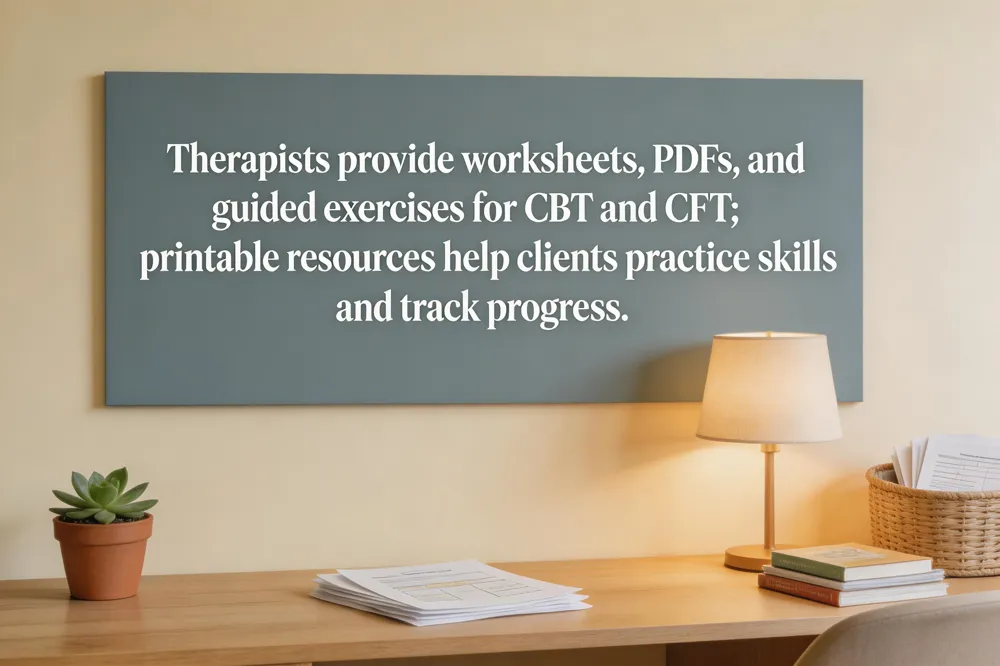 Social anxiety coping skills therapist aid
Therapists teach concrete skills—deep breathing, progressive muscle relaxation, guided imagery, and cognitive restructuring to calm the nervous system and challenge irrational thoughts. Printable worksheets (e.g., “Coping Skills: Anxiety,” “Exploring Social Anxiety”) give structured psycho‑education and practice exercises. By identifying and reducing safety behaviors, clients can face social situations more directly during exposure work, building confidence over time.
Social anxiety coping skills therapist aid
Therapists teach concrete skills—deep breathing, progressive muscle relaxation, guided imagery, and cognitive restructuring to calm the nervous system and challenge irrational thoughts. Printable worksheets (e.g., “Coping Skills: Anxiety,” “Exploring Social Anxiety”) give structured psycho‑education and practice exercises. By identifying and reducing safety behaviors, clients can face social situations more directly during exposure work, building confidence over time.
Compassion‑focused therapy worksheets CFT worksheets guide self‑compassion practices such as the RAIN mindfulness technique, compassionate letter writing, and visualizing a caring inner figure. They help clients notice distressing thoughts, investigate underlying beliefs, and replace self‑criticism with kind self‑talk, fostering emotional resilience and reducing shame‑driven anxiety.
Social anxiety coping skills PDF A downloadable PDF provides a concise, printable guide that combines psycho‑education, thought‑challenging worksheets, relaxation techniques, and step‑by‑step exposure exercises. It can be used independently or alongside therapy to reinforce skills and track progress.
How to help someone with social anxiety Listen without judgment, validate their feelings, and encourage tiny exposure steps (e.g., a brief phone call). Teach grounding, deep‑breathing, and cognitive reframing, and celebrate each success. Gently suggest professional help such as CBT, CFT, or medication.
How to reduce anxiety immediately Practice 4‑7‑8 breathing, then the 5‑4‑3‑2‑1 grounding technique. Gentle stretches or a short walk release tension. Label the feeling (“I’m anxious now”) and share it with a trusted confidant to engage the prefrontal cortex and diminish intensity.
Social anxiety test A brief screening questionnaire assesses fear, physical symptoms, and avoidance in everyday social situations. Scoring indicates whether professional evaluation is warranted. At Julia Flynn Counseling we use evidence‑based assessments to tailor CBT, exposure, or CFT interventions, guiding clients toward greater confidence and well‑being.
Building a Compassionate Future
Combining self‑compassion with evidence‑based treatments such as CBT, exposure therapy, and ACT creates a powerful safety net for people with social anxiety. Compassion‑focused exercises—like the compassionate self‑voice, soothing rhythm breathing, and brief self‑compassion breaks—can be woven into each therapy session, softening the threat system while the therapist guides cognitive restructuring and graded exposure. Consistent daily practice reinforces these skills; a short morning meditation, a quick 5‑4‑3‑2‑1 grounding, or a compassionate letter to oneself keeps the soothing system active between appointments. Professional support remains essential: a therapist trained in CFT or CBT can personalize the plan, monitor progress, and adjust techniques when depression or other challenges arise. If anxiety interferes with work, relationships, or daily functioning, reaching out for help promptly is a courageous step toward lasting relief.