
Finding Meaning in Ritual
Grief can leave you feeling unmoored, as if the world has lost its rhythm. In the midst of that chaos, rituals offer a way to create structure and meaning. These intentional acts provide a tangible way to honor your loss and express feelings that words often cannot capture. Whether you are grieving a person, a relationship, or a significant life change, establishing a personal ritual can be a powerful step toward healing. For personalized guidance tailored to your unique journey, consider reaching out to Julia Flynn Counseling for professional support.
Rituals are more than just routine; they are deliberate acts filled with symbolism and meaning. They help us process emotions and mark the significance of a loss, providing a bridge between the past and the present. As noted by experts, creating rituals to move through grief can be a transformative practice, offering a safe space to honor your feelings. A well-chosen ritual can ground you, offering a sense of control and purpose when everything else feels uncertain.
Simple Grief Rituals to Try
There is no single “right” way to create a grief ritual. The most powerful ones are personal and resonate with you. You might choose to light a candle each day at a specific time, dedicating a few moments to remember your loved one. This small act, as described in grief rituals, can create a daily pause for reflection. Alternatively, you could create a small memory box or a dedicated space in your home, filling it with objects that remind you of the person you lost. This tangible expression allows you to keep their memory close while navigating your daily life.
Another approach involves incorporating creative expression. Writing a letter to your loved one and then keeping it in a special place can be a private, cathartic act. For those who find comfort in nature, a simple walk along a familiar path or tending to a plant in their memory can serve as a living ritual. The act of visiting a place that held meaning for you both, perhaps a favorite park or a scenic overlook, can be a profound way to feel connected. These acts are not about escaping grief but about giving it a place within your life.
Rituals for Families and Groups
Grief is often a shared experience, and rituals can help families navigate it together. For a family, a weekly dinner where you set an extra place at the table and share a favorite memory can be a comforting way to keep the person present. This collective act, as described in Creating a Grief Ritual: A practice for healing, allows everyone to share stories and support one another. For friends who are grieving together, organizing an annual gathering on the anniversary of the loss can provide a structured opportunity to honor their memory.
Group rituals don't have to be complex. A simple act like everyone lighting a candle and sharing a silent thought can be deeply meaningful. The key is that the ritual feels intentional and provides a space for connection. As Healing in Practice: 6 Personal Grief Rituals suggests, these shared experiences can be a source of comfort, helping to reduce isolation and fostering a sense of belonging during a difficult time.
When to Seek Professional Support
While grief rituals can be incredibly helpful, they are not a replacement for professional support. If you find that your grief is intensifying, leading to feelings of depression or hopelessness, or interfering with your ability to function, it may be time to seek additional help. Grief can sometimes become complicated, and a professional can provide the tools and a safe space to work through it. At juliaflynncounseling.com, I offer a supportive environment where you can explore your feelings and find coping strategies that work for you.
Grief is a deeply personal journey, and there is no timeline for healing. Rituals are a tool that can help you honor your feelings and find a path forward. Whether you choose to light a candle, write a letter, or simply take a quiet walk, the most important thing is that it feels meaningful to you. For additional support in creating a personalized grief practice, you might find inspiration in how personal rituals can soften the edges of grief or explore grief rituals to find what resonates.
Ultimately, a ritual is a declaration that the love you shared endures. It is a way of saying, “Your memory matters, and so does my journey.” As you explore what works for you, be patient with yourself. There is no wrong way to grieve. If you are finding it difficult to create or maintain these rituals on your own, consider reaching out to a professional who can guide you. For a tailored approach to your grief, you can always contact Julia Flynn Counseling to begin a conversation about your healing journey.
What Are Grief Rituals?
 When grief feels too big to hold, small rituals offer a way to contain it. Rather than demanding grand gestures or public displays, these intentional acts fit into ordinary days, giving you something concrete to return to when emotions surge. The key is choosing something simple enough to sustain, even on days when getting out of bed takes real effort.
For some, a morning ritual of lighting a candle while sipping tea provides a quiet pause. For others, it might be writing a few lines in a journal before sleep or taking a short walk to a place that held meaning. The specific act matters less than the consistency, as grief rituals work by creating a predictable anchor in the midst of chaos.
Rituals for Daily Comfort
- Light a candle at the same time each day to mark a moment of remembrance.
- Keep a small notebook by your bed and write one memory or feeling before sleeping.
- Play a song that reminds you of your loved one during a daily task like making coffee.
- Place a flower or stone on a special spot in your home as a visual touchstone.
- Take a short walk to a bench, tree, or other meaningful place, even if you only stay a minute.
These small acts may seem insignificant, but they serve an important function. According to Therapist Aid, grief rituals help you "stay connected to the person who died while also moving forward," offering a balance between honoring the past and living in the present. The repetition itself becomes a form of self-compassion.
Rituals for Special Days and Milestones
Anniversaries, birthdays, and holidays often intensify grief, making the absence feel sharper. Creating a specific ritual for these days can transform a dreaded date into something you actively plan for. This might mean cooking a favorite meal, visiting a meaningful location, or simply setting aside time to look through photos and tell stories.
The Grief & Loss Center emphasizes that small rituals for mourning can be "as simple or elaborate as you need them to be." What matters is that the ritual feels intentional, not performative. If a grand ceremony feels overwhelming, a quiet toast at dinner can be just as powerful.
How to Build a Ritual That Works for You
There is no right way to create a grief ritual, but a few guidelines can help you design one that feels authentic. Start by asking what your grief needs: a way to express sorrow, a way to remember joy, or a way to mark time passing. Let that answer guide your choice.
Be realistic about your capacity. A ritual that requires too much energy can become another burden. Instead, start with something small and sustainable, and adjust it as you learn what feels right. You can always modify, add, or let go of a ritual as your grief evolves.
When Rituals Feel Like Too Much
There will be days when even a simple ritual feels like too much. That is normal. Rituals are not obligations; they are offerings you make to yourself. If you miss a day or change the plan, it doesn't diminish the meaning. Grief is not linear, and your rituals don't have to be either.
If you are struggling to find a ritual that resonates, consider what brought you comfort in the past. Maybe it was cooking, being in nature, or writing. A grief ritual can be a modern adaptation of an old habit, reimagined to honor your loss. The goal is not perfection but presence.
| Ritual Type | When to Use | Example |
|---|---|---|
| Daily anchor | Every morning or evening | Light a candle while having tea |
| Memory cue | When you need connection | Play a shared song |
| Milestone marker | Birthdays, anniversaries | Visit a meaningful place |
| Expression outlet | When words are hard | Write a letter you won't send |
| Self-care pause | When overwhelmed | Take a slow walk outside |
Small Rituals for Everyday Grief
Grief doesn't follow a schedule, and neither do the small rituals that help you move through it. While large ceremonies have their place, daily rituals can offer a gentle, consistent anchor during times of transition. These need not be elaborate or time-consuming; a few quiet moments each day can create a container for your feelings.
Lighting a Candle
A simple act like lighting a candle can be a powerful daily ritual. It can serve as a symbolic flame of memory and love, a way to honor the person you've lost. For many, this small gesture creates a sacred pause in their day, offering a moment of connection and reflection.
Creating a Memory Scrapbook
Spending a few minutes each day adding to a memory scrapbook is another meaningful ritual. This could involve writing a short memory, printing a photo, or including a ticket stub from a special outing. Over time, this becomes a tangible collection of your shared story, and the act of adding to it can be a daily practice of love and remembrance.
Listening to Music or Planting a Tree
Listening to a favorite song that reminds you of your loved one can be an immediate and accessible ritual. It's a way to invite their presence into your day. Similarly, planting a tree or tending to a plant can be a living tribute, a daily act of nurturing that symbolizes continued growth and hope. Even making a small donation in their name can be a quiet, meaningful practice.
Making It Your Own
The most important aspect of any ritual is that it feels right for you. It can be as simple as a morning cup of coffee shared with their photo, a few minutes of quiet reflection, or a specific walk you take each day. The goal is not to avoid pain but to create space for it, acknowledging your loss while slowly integrating it into your life. These small, consistent anchors can help you feel less unmoored as you navigate your grief. For more structured ways to incorporate ritual into your healing, exploring grief counseling can provide additional support and guidance.
Creating Structured Rituals with Opening and Closing
Structured grief rituals become more powerful when you clearly mark their beginning and end. Selecting specific actions to open and close the ritual helps you transition into a reflective state of mind and signals when it is time to return to everyday life. This container-like structure provides a sense of safety and predictability during the chaos of grief.
To open a ritual, choose an activity that feels sacred and intentional. Common options include lighting a special candle, burning incense, reading an inspirational verse or poem, singing a song, chanting, playing a particular piece of music, or ringing a chime or bell. Whatever you select, use the same opening action each time to build a consistent transition into your ritual space.
After the opening, the time within the ritual is yours to shape. You may cry, sit quietly, look through photographs, meditate, pray, or read healing literature. The space allows for whatever emotional expression you need, including releasing anger through physical actions like hitting pillows or tearing paper. There is no right or wrong way to use this time.
Closing the ritual with a deliberate action, such as extinguishing the candle, reciting a closing mantra, or ringing the bell again, signals the return to ordinary awareness. This structure does not limit your grief; it contains it, giving you permission to feel deeply within a safe boundary and then gently step back into your day.
Food, Nature, and Creative Expression
Food, nature, and creative acts offer accessible entry points into grief rituals. These sensory and movement-based practices engage memory and comfort directly, pulling the grieving person back into their body and out of overthinking. Unlike abstract reflection, cooking a loved one's favorite meal or walking a familiar trail provides a tangible way to express and honor overwhelming emotions.
Food-based rituals are particularly grounding. Preparing a loved one's favorite meal and sharing it with family and friends can be a powerful collective grief ritual. Setting a place at the table for them, lighting a candle in their honor, or simply eating a dish they loved can transform a daily act into a meaningful connection. These rituals are accessible and sensory, using smell, taste, and touch to anchor memory.
Nature rituals gently reintroduce rhythm into days that feel disrupted. Walking a familiar trail, planting a tree or flowers in the loved one's memory, or visiting a favorite outdoor spot are ways to process grief stored in the body. As the living memorial grows and changes with the seasons, it symbolizes how grief itself evolves over time.
Creative expression offers another outlet. Journaling, creating art, making a memory scrapbook, or writing a letter to the deceased helps externalize feelings that feel too large to hold. These acts activate the prefrontal cortex, aiding emotional regulation, and provide a gentle structure for processing emotions like anger or sadness. The sacred, safe space of a grief ritual is an ideal place to release these feelings through movement, dance, or vocal expression such as singing or drumming.
Inviting Others to Share the Ritual
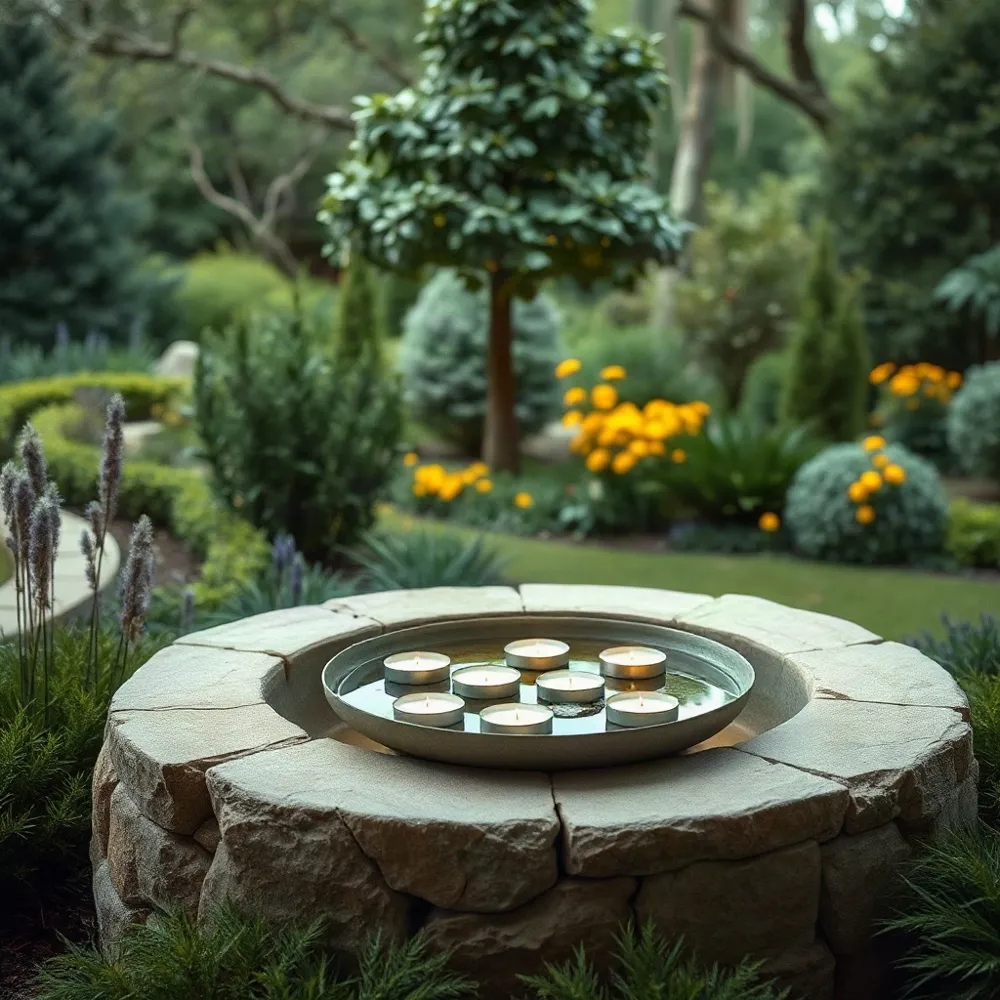 Grief rituals can be deeply personal, yet there is also a profound value in inviting others to participate. When you share a ritual with family or friends, it transforms into a collective space for remembering and supporting one another. This shared experience can strengthen bonds and help everyone feel less alone in their loss.
Simple gatherings can become powerful rituals. Consider hosting a meal where you prepare your loved one's favorite recipe, or organize a movie night to watch a film they cherished. During these times, you can invite each person to share a memory or a story, creating a living tapestry of the person you are honoring. For a more structured approach, participants might bring a letter to read aloud or take part in a group activity like chanting or drumming, as suggested by grief experts at GoodTherapy.
Finding the right balance between solitude and community is a personal journey. You may choose to conduct some rituals alone for quiet reflection and others with a group for shared strength. Julia Flynn Counseling supports clients in exploring what feels right for them, offering a compassionate space to navigate whether a ritual is best held in the privacy of your own heart or opened to the warmth of those around you.
Continuing the Ritual as Needs Evolve
Grief is not a linear process, and the rituals that support you may need to shift as your emotional landscape changes. What feels right in the first weeks after a loss may feel different months or years later. This is a natural part of healing, not a sign that the ritual has failed. The Therapist Aid guide on grief rituals notes that as healing progresses, the need for elaborate rituals may wane, but maintaining smaller gestures can continue to provide comfort.
Adapting a ritual to fit your current needs is a compassionate act. A daily practice of lighting a candle might evolve into a weekly walk to a meaningful spot. A scrapbook project might become a quiet moment of reflection with a single photograph. The structure matters less than the intention you bring to it. Allowing the ritual to change prevents it from becoming another obligation and keeps it aligned with where you are emotionally.
Returning to Rituals on Special Days
Anniversaries, birthdays, and holidays can feel especially heavy. Revisiting a familiar ritual on these days can provide a sense of continuity and a safe container for the emotions that surface. This might mean preparing the loved one's favorite meal, visiting a burial site, or simply setting aside time to listen to music you once shared. As one GoodTherapy article describes, structured rituals with clear openings and closings can be especially helpful during these emotionally charged moments, offering a way to honor the day without being consumed by it.
Some people find that their rituals become simpler over time. A letter that was once written and burned may become a brief daily journal entry. A large gathering of friends may become a quiet solo meal. These adjustments are not a reduction of love or memory; they are evidence that you are integrating the loss into your life. The Creating a Grief Ritual video emphasizes that repeating a ritual can increase its power, but that power comes from authenticity, not perfection.
Practicing Self-Compassion When Grief Overwhelms
There will be days when grief feels too heavy for any ritual. On these occasions, self-compassion is the most important practice you can engage in. If the thought of sitting with a candle or journal feels impossible, allow yourself to let it go. Grief is exhausting, and rest is a valid form of care. You can return to the ritual another day, or replace it with something gentler, like a short walk or a deep breath while holding a meaningful object.
At Julia Flynn Counseling, we encourage clients to approach their grief with the same kindness they would offer a close friend. If a ritual begins to feel like a chore, consider what might serve you instead. Perhaps the original practice needs to be shortened, or perhaps it needs to be set aside for a season. The changes you make to your ritual are signs that your process is progressing, as noted in the literature on grief rituals — moving from chaos toward wholeness, even when the path is uneven.
Coping Mechanisms Beyond Rituals
 While grief rituals offer a powerful and structured way to honor your loss, they are most effective when combined with other healthy coping strategies. Support from others and intentional self-care can strengthen your overall well-being during the grieving process.
Talking to a therapist or joining a support group provides a safe space to process your emotions with professional guidance or alongside others who understand your experience. A counselor can help you explore your feelings, develop coping skills, and integrate rituals into a broader healing plan.
Creative outlets such as journaling, painting, or playing music offer another path for expressing grief when words feel insufficient. Staying connected with loved ones, even in small ways like a brief phone call or a shared meal, can combat the isolation that often accompanies loss.
At Julia Flynn Counseling, we help individuals weave together personalized coping strategies, including therapeutic support, creative expression, and meaningful rituals, to build a foundation for healing that respects each person's unique journey.
Embracing Ritual as a Path to Healing
Grief rituals offer a way to bring structure, meaning, and a sense of connectedness to a time that often feels chaotic and isolating. By creating intentional practices to honor a loved one, you build a container for your emotions and a steady rhythm for moving through loss.
The most powerful rituals are those that feel personal and authentic to you. Whether you light a candle, write a letter, or spend time in nature, let the practice reflect your unique relationship with the person you lost. There is no right or wrong way to do this.
Within the space of a ritual, it is okay to cry, to sit quietly, to express anger, or to simply be still. The practice is yours to shape around what you need in that moment. As you heal, your rituals may shift or become less frequent, which is a sign of progress, not failure.
Healing is not a race. Your rituals are companions on the journey, not tasks to complete. Trust that the small, consistent acts of remembrance you choose can help you move, at your own pace, from a place of pain toward a place of greater stability and wholeness.