
Redefining Mental Health Care from Home
More than 50 million Americans live with mental illness, yet less than half seek treatment, often because getting to a professional feels inconvenient or too costly, according to a UCLA Health report. The rise of online and home-based therapy is changing that. By removing barriers like travel time, scheduling conflicts, and the fear of being seen at a clinic, these approaches make consistent care possible for people who previously went without.
Research backs this shift. A 2019 meta-analysis of 33 studies found that online psychotherapy and traditional face-to-face care produced comparable results across most conditions. Similarly, the National Alliance on Mental Illness notes that telehealth can improve patient satisfaction and be cost-effective for many diagnoses, while eliminating the need for transportation and reducing missed appointments.
This guide walks through what it takes to make therapy work at home. From setting up a comfortable space and preparing for productive sessions to navigating insurance and knowing when a therapist is the right fit, the following sections offer practical, research-backed advice for getting the most out of mental health care without leaving your home.
Understanding Online Therapy
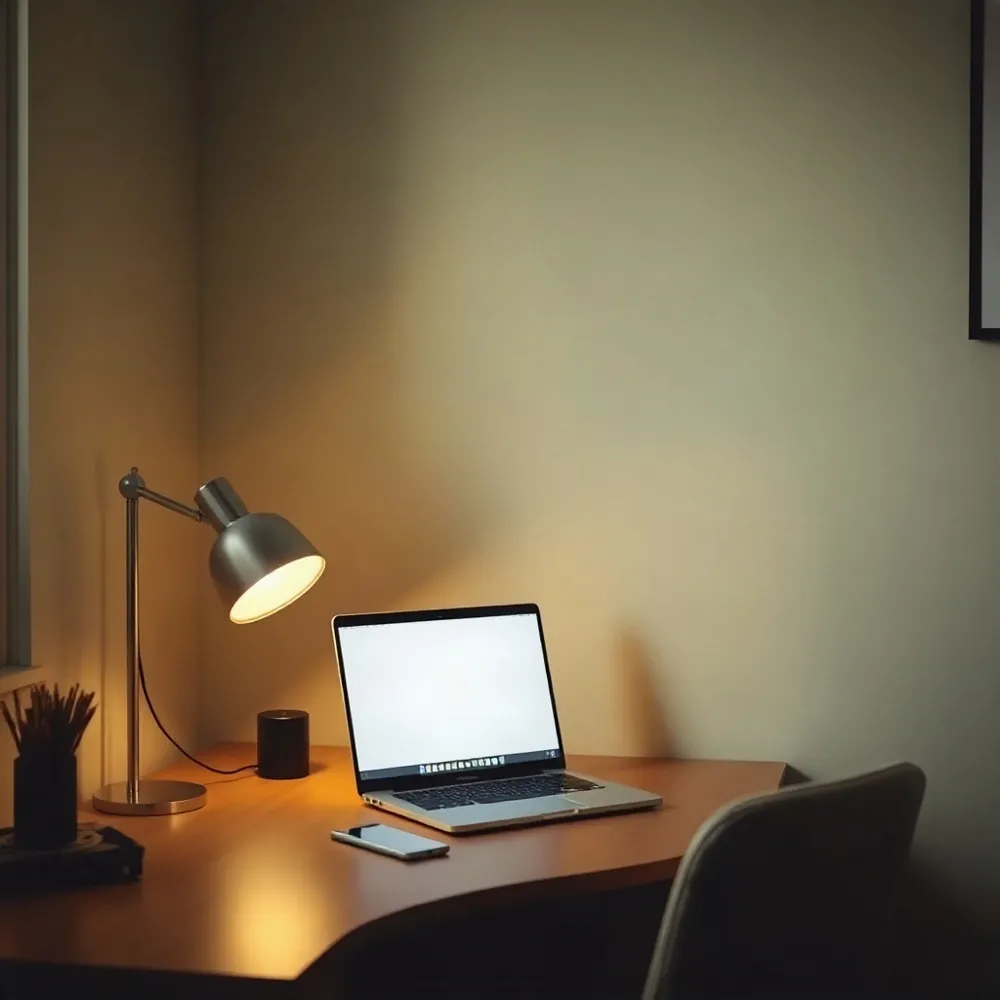 Online therapy, also known as teletherapy or telehealth, is a form of professional mental health counseling that takes place over the internet through a secure video or phone platform. It allows you to connect with a licensed therapist from the comfort of your home, providing a flexible alternative to traditional in-office visits. The structure and goals of online sessions mirror those of in-person therapy — you discuss concerns, learn coping strategies, and work toward personal goals with a therapist's guidance.
Research has consistently shown that online therapy is as effective as in-person care for conditions like anxiety, depression, and PTSD. A comprehensive review of more than 60 studies found that virtual sessions produce comparable outcomes to face-to-face meetings for the majority of people. Additional studies on depression treatment found that online therapy was significantly more effective than receiving no therapy at all.
This format is especially beneficial for those with busy schedules, limited local providers, or mobility challenges. The NAMI notes that telehealth can eliminate transportation barriers and reduce missed appointments, resulting in greater continuity of care. For individuals with social anxiety, physical disabilities, or agoraphobia, online therapy may be the only practical way to access consistent mental health support. Clients often feel more relaxed and open in their own environment, which can lead to more authentic emotional expression and meaningful breakthroughs.
At its core, online therapy provides the same compassionate, evidence-based support as face-to-face counseling, tailored to fit your life. This approach expands your options for receiving care in a way that respects your unique needs and circumstances.
The Evidence for Effectiveness
 A common concern for those considering online therapy is whether video sessions can deliver the same results as sitting in a clinician's office. A growing body of research provides a clear answer: for many common mental health conditions, online therapy is just as effective as in-person care.
Researchers at UCLA Health reviewed more than 60 studies and found that virtual therapy produces comparable outcomes for anxiety, depression, and post-traumatic stress disorder. A 2019 meta-analysis of 33 studies reached a similar conclusion, with the majority of comparisons showing no significant difference between online and face-to-face psychotherapy. This body of evidence has grown strong enough that organizations like the American Psychological Association now recognize telemental health as an acceptable alternative to in-office treatment.
Stronger Engagement and Completion Rates
Beyond comparable symptom improvement, online therapy often outperforms in-person care in keeping clients engaged. A 2022 survey conducted over 16 months found that patients receiving online therapy had a treatment completion rate of 69%, compared to just 44% for those attending in person. This higher retention is likely due to the convenience and flexibility that virtual sessions offer, helping clients stick with treatment longer and achieve better long-term outcomes.
Weighing the Pros and Cons
 Choosing between online and in-person therapy depends on your personal needs, preferences, and circumstances. Both formats have distinct strengths, and understanding them can help you make an informed decision. Research shows that online therapy can be just as effective as face-to-face care for many conditions, including anxiety, depression, and PTSD, according to a UCLA Health report.
Advantages of In-Person Therapy
Sitting in the same room as your therapist allows for a full range of nonverbal communication, including body language and subtle shifts in tone. For some clients, this creates a deeper sense of connection and trust. In-person sessions also provide a dedicated, distraction-free space that can support focus and emotional safety. Therapists can conduct a more thorough assessment by noticing physical cues that may be missed on screen.
Advantages of Online Therapy
Online therapy offers unmatched convenience. Sessions take place from your own home, eliminating travel time and reducing scheduling conflicts. This flexibility helps you fit therapy into a busy routine and can lower the barrier to consistent attendance. A 2022 survey found that patients receiving online therapy had significantly higher rates of treatment completion (69%) compared to in-person care (44%), as reported by Fighting Blindness.
Privacy is another benefit. You avoid waiting rooms and parking lots, which can reduce the stigma some people feel about seeking care. For those with social anxiety or mobility challenges, the ability to meet with a therapist from a familiar environment can make therapy feel more accessible and less intimidating. At juliaflynncounseling.com, clients receive the same evidence-based care in a secure virtual setting, tailored to their comfort and schedule.
Potential Drawbacks of Online Therapy
Technical issues like unstable internet or software glitches can interrupt a session and break the therapeutic flow. Some clients also report a perceived loss of connection with their therapist without the physical presence of an office. It can be harder to pick up on subtle emotional shifts, and interventions during a crisis may be more limited. Online therapy is generally best suited for mild to moderate conditions, while more severe symptoms may still benefit from in-person support.
Choosing the Right Format for You
The most effective therapy is the one you will attend consistently. If convenience, privacy, and flexibility are your priorities, online therapy is a strong option. If you value the ritual of traveling to a dedicated space and reading every nuance of body language, in-person may feel more natural. Many providers, including juliaflynncounseling.com, offer both formats so you can switch based on what works best for you at different stages of your mental health journey.
Creating Your Ideal Therapy Space
The environment where you attend online therapy can shape how open and focused you feel during a session. By making a few intentional adjustments, you can turn a corner of your home into a private sanctuary that supports genuine emotional work.
Choosing the Right Location
Pick a spot where you can speak freely without being overheard. A bedroom with a closed door often works better than a shared living room. If space is tight, a parked car or a walk-in closet can provide the privacy you need. The goal is a quiet area where family members and roommates know not to interrupt.
Comfort Items that Support Focus
Small additions can make a noticeable difference in how grounded you feel. A weighted blanket can help calm your nervous system, while noise-canceling headphones block out household sounds and protect your privacy. Keeping a box of tissues nearby is a simple but practical choice for sessions where difficult emotions surface.
At juliaflynncounseling.com, we emphasize that receiving therapy in your own space can increase comfort and help you open up more freely. Clients often report feeling safer and less intimidated than they would in a traditional office setting.
Silencing Distractions and Setting Boundaries
Before your session, silence notifications on your phone and computer. Let others in your household know you are unavailable for that time — a simple sign on the door can prevent unexpected interruptions. This helps your brain shift into a focused, therapeutic mindset.
Preparing Backup Technology
Technology can be unpredictable. Keep a fully charged phone or tablet nearby as a backup in case your primary device or internet connection fails. Test your camera and microphone a few minutes before the session starts so you can troubleshoot any issues without cutting into your time with the therapist.
Research from the National Alliance on Mental Illness confirms that telehealth can decrease no-shows and improve continuity of care. By reducing travel and scheduling barriers, online therapy makes it easier to stick with treatment and build lasting progress.
Preparing Yourself for a Productive Session
Treating an online therapy session with the same seriousness as an in-person appointment sets the stage for meaningful progress. Research shows that patients receiving online therapy had significantly higher rates of treatment completion (69%) compared to in-person (44%), according to a 2022 survey. At juliaflynncounseling.com, clients are encouraged to approach each virtual session with intentionality—just as they would if walking into an office.
Begin with a simple pre-session ritual. Use the bathroom, pour a glass of water, and take a few minutes to transition mentally from your daily routine. This small buffer helps you arrive fully present rather than rushing from one task to another.
Silence notifications from your phone, computer, and any other devices. Close unrelated browser tabs and apps. Inform household members or roommates that you are in a session and should not be interrupted. Creating this boundary protects the therapeutic space even when you are at home.
Log into the session only when you are ready to engage. The NAMI notes that telehealth eliminates the barrier of needing transportation and decreases 'no-shows,' resulting in greater continuity of treatment. Taking that extra moment to arrive mentally can make the difference between a session that merely checks a box and one that produces real insight.
Navigating Insurance and Medication
Will insurance pay for telehealth therapy? The answer is yes for most people. Federal policy changes during the COVID-19 pandemic expanded access, and many of those flexibilities have been extended. According to NAMI, telehealth can eliminate transportation barriers and decrease no-shows, improving continuity of treatment. The Mental Health Parity and Addiction Equity Act requires many plans to cover mental health services, including telehealth, at the same level as medical services. Coverage details vary, so verifying your specific plan benefits is always wise.
Can I get mental health medication through telehealth? Yes. Licensed psychiatrists and psychiatric nurse practitioners can provide evaluations and ongoing medication management via secure video for conditions like anxiety, depression, and ADHD. Many insurance plans cover these services. However, as a counseling practice, we focus on providing therapy and emotional support rather than directly prescribing medication. If you are considering medication, we can guide you toward appropriate telehealth psychiatric resources that fit your needs.
Recognizing a Good Fit
The quality of the relationship between you and your therapist, often called the therapeutic alliance, is one of the strongest predictors of positive outcomes in mental health care. When you feel genuinely heard, respected, and understood, you are far more likely to engage deeply with the work and see lasting change. A supportive connection creates a foundation for honest exploration and healing.
Red Flags That Signal a Mismatch
Not every therapist will be the right fit, and it's important to recognize the signs. Red flags include feeling dismissed, judged, or unheard during sessions. Pay attention if your therapist overshares personal information, breaks your trust, or pressures you toward a specific diagnosis or treatment plan before you're ready. A therapist who regularly arrives late, appears distracted, or fails to maintain clear professional boundaries is also cause for concern.
Trusting Your Instincts
Your comfort and safety in the therapeutic space are essential. If something consistently feels off or you leave sessions feeling worse rather than supported, trust that instinct. It is not a failure to acknowledge a poor fit. Exploring other options, whether that means a different clinician on the same platform or a new approach entirely, is a valid and proactive step toward finding the care that truly serves you. Therapy is your journey, and the right partner makes all the difference.
Beyond Sessions: Building Daily Wellness
The work of therapy does not end when you close your laptop or hang up a video call. The habits you build between sessions often determine how much the insights translate into lasting change. Integrating techniques like journaling, mindfulness, and grounding exercises into your daily routine can deepen self-awareness and help you manage emotions in real time.
Many therapists assign "homework" specifically to reinforce new skills outside the therapeutic hour. This might include tracking moods, practicing a breathing technique, or testing a new way of responding to a recurring trigger. Completing these exercises consistently builds momentum and helps the brain rewire patterns more quickly.
A simple daily structure supports emotional regulation and resilience. For example, starting the morning with five minutes of mindful breathing, using a mood-tracking app during lunch, and ending the day with a gratitude or reflection journal entry creates a rhythm that makes self-care automatic rather than optional. Over time, these small practices stack into meaningful improvement.
Tracking tools such as the PHQ-9 or GAD-7, or even a personal mood diary, give both you and your therapist concrete data on what is working. When you can see that grounding exercises consistently lower your anxiety score by midweek, it builds confidence that the skills are actually taking hold.
Tailored Support for Teens and Young Adults
Younger clients, who have grown up with smartphones and video chat, often find online therapy a natural fit. The format aligns with their comfort with technology, which can lower the barrier to starting treatment. A 2019 meta-analysis of 33 studies found that online therapy yields results comparable to in-person care, and a more recent analysis of six randomized trials showed that online cognitive behavioral therapy (CBT) was just as effective as in-person CBT for reducing depression and anxiety in people aged 10 to 25, according to research published in PMC.
For teens juggling school, extracurriculars, and social lives, online therapy offers scheduling flexibility that in-person appointments often cannot match. Sessions can fit around a class schedule or be held during a free period, eliminating the need for a parent to drive across town. The privacy of attending from home also reduces the stigma some young people feel about being seen at a therapist's office. The NAMI notes that telehealth can actually create a better experience for children and adolescents compared to traditional sessions.
Creating a Private Space for Teen Sessions
A key part of making online therapy work for a teenager is helping them set up a private, comfortable spot in the home where they can speak freely. A quiet corner of a bedroom with a closed door, a comfortable chair, and a pair of noise-canceling headphones can make a significant difference. For younger clients, this sense of ownership over their therapy space, combined with the familiarity of their own environment, can lead to more authentic emotional expression and better engagement with the therapeutic process.
At Julia Flynn Counseling, we help families navigate these practical details so the focus stays on the teen's well-being. Our therapists are experienced in tailoring sessions to the developmental needs of adolescents, ensuring that the therapy feels relevant and supportive, whether it is held in a bedroom or a dedicated home office.
Overcoming Common Hurdles
Even with the best preparation, technical glitches can happen. A proactive approach reduces their impact. Before each session, test your internet connection and ensure your device is fully charged or plugged in. Keep a backup device, such as a tablet or smartphone, on hand in case your primary computer malfunctions.
If your connection drops during a session, most platforms let you rejoin the same video link. Take a deep breath and log back in. The therapist is trained to handle these interruptions. If the connection cannot be restored, a quick phone call can reschedule the missed minutes. At Julia Flynn Counseling, the focus is on your continuity of care, and your therapist will work with you to make up the time.
Building Rapport in a Virtual Setting
Some worry that a screen makes it harder to connect with a therapist. Research indicates the therapeutic alliance can be just as strong online as in person. Treat your camera as a window: maintain eye contact by looking at the lens, speak freely, and give yourself a few extra moments to express difficult feelings. A supportive therapist will mirror these efforts and create a safe space.
Safety and Crisis Protocols
Online therapy includes robust safety measures. Your clinician should clarify their crisis protocol during the first session, including how to reach them between appointments and what happens if you are in immediate distress. They may ask for a trusted emergency contact's phone number and your physical address to dispatch local services if needed. Discussing these protocols upfront helps you feel secure and focused on healing.
Your Path Forward Starts at Home
Online therapy is more than a convenient alternative. Study after study shows it is as effective as in-person care for anxiety, depression, and PTSD, and a 2019 meta-analysis of 33 studies found comparable outcomes across both formats. The evidence is clear: the format matters far less than the commitment to show up and do the work.
The most important variable in therapy is not the location. It is the consistent, honest relationship you build with a clinician you trust. Whether you choose video sessions from your living room or face-to-face meetings, steady attendance and a strong therapeutic alliance are what drive lasting change.
Take the first step with confidence. Explore what feels right for your schedule, your living space, and your comfort level. The path forward starts with one session, and you can refine your approach as you go.