The Emerging Importance of Personalized Therapy in Mental Health
Definition and Overview of Personalized Therapy
Personalized therapy in mental health involves tailoring treatment approaches to an individual's unique needs, preferences, medical history, genetic makeup, lifestyle, and personal goals. Instead of a one-size-fits-all approach, it combines various therapeutic modalities such as cognitive-behavioral therapy (CBT), mindfulness, and medication management. This approach emphasizes collaboration and open communication between patient and therapist to create adaptable care plans that reflect ongoing changes in a person's life and mental health status.
Why Mental Health Treatment Requires Individualization
Mental health conditions vary widely across individuals, influenced by biological, psychological, and social factors. Traditional standardized treatments may not address these unique complexities effectively. Clinical intuition alone can be fallible, making data-driven methods essential. Advances in big data, machine learning, and digital health tools enable clinicians to match treatments more precisely to patient profiles. This individualization helps to overcome the high variability in treatment response seen in disorders like depression and anxiety.
Impact of Personalization on Therapy Outcomes
Personalized treatment has been shown to improve symptom relief, reduce relapse risk, and enhance patient engagement and adherence. It increases satisfaction with care by addressing root causes and adjusting therapies dynamically through continuous monitoring and outcome feedback. Incorporating patient preferences fosters trust and motivation, which contribute to better long-term mental health and overall functioning. Emerging technologies, including telehealth and AI-supported decision-making, further support these improved outcomes, making personalized therapy a promising advancement in mental health care.
Understanding the Benefits of Mental Health Treatment

What are the benefits of mental health treatment?
Mental health treatment provides vital support that improves emotional well-being and equips individuals with resilience and effective coping skills to navigate life’s challenges.
How do different therapeutic approaches support mental health?
Therapies such as Cognitive Behavioral Therapy (CBT) help individuals identify and change negative thought patterns, fostering better stress management and self-esteem. Dialectical Behavior Therapy (DBT) offers tools for emotion regulation and mindfulness, especially helpful for intense emotions and self-harm. Family therapy addresses relational dynamics, promoting healthier communication and support within the home.
How does mental health treatment enhance emotional well-being and relationships?
Engaging in therapy encourages personal growth, self-understanding, and goal setting. It helps heal past traumas and strengthens connections with loved ones by improving communication and empathy. Tailored treatments, whether in-person or via teletherapy, contribute to a more stable and fulfilling life by fostering trust and open collaboration between clients and providers.
The Crucial Role of Individualized Treatment in Mental Health Care
Why is individualized treatment crucial in mental health care?
Individualized treatment is essential because it addresses the unique needs, preferences, backgrounds, and circumstances of each person seeking help. Unlike one-size-fits-all approaches, this personalized focus allows clinicians to target the specific root causes of an individual's mental health challenges. Evidence-based therapies such as Cognitive Behavioral Therapy (CBT), Dialectical Behavior Therapy (DBT), and Acceptance and Commitment Therapy (ACT) underpin these tailored interventions. These therapies offer structured, effective methods to improve coping skills, emotional regulation, and thought patterns relevant to conditions like depression, anxiety, and behavioral issues.
Personalized care improves patient engagement by involving individuals in their treatment planning and decision-making, which in turn promotes adherence and motivation. It also supports long-term recovery by continuously adapting approaches based on progress and changing needs. Incorporating family or social support systems can further strengthen therapy effectiveness, creating a supportive environment for sustained well-being.
Research emphasizes that this custom-fit model leads to better diagnostic accuracy, more precise treatment matching, and ultimately greater improvements in mental health outcomes for both adults and adolescents. In summary, individualized treatment fosters a collaborative therapeutic relationship that enhances healing and promotes lasting positive change.
Harnessing Advances in Precision Mental Health Care

What is Precision Mental Health and the Role of Big Data?
Precision mental health care represents a transformative approach where treatments are finely tuned based on an individual's unique characteristics, such as genetic makeup, neurobiological data, and personal history. This method harnesses the power of big data in precision mental health care —large, complex datasets collected from diverse sources including electronic health records, brain imaging, and lifestyle information—to identify patterns that inform personalized mental health treatment. Moving beyond traditional trial-and-error approaches, big data enables clinicians to understand heterogeneous treatment effects among patients, improving therapy effectiveness.
How Are AI, Machine Learning, and Digital Tools Integrated?
Advances in artificial intelligence in personalized care and machine learning for treatment effect estimation are central to precision mental health. These technologies analyze patient-generated data from digital tools in mental health care such as mobile apps, wearable devices, and online questionnaires. Machine learning models in mental health predict outcomes like treatment response or suicide risk, enabling proactive and responsive care. For example, algorithms can identify early indicators of disruptive behavior or therapy non-response, guiding timely adjustments. Digital tools for data collection in psychiatry also facilitate ongoing routine outcome monitoring (ROM), continuously gathering psychometric data that reflect a patient’s evolving condition.
In What Ways Do Clinical Decision Support Systems Aid Clinicians?
Clinical decision support systems in psychiatry integrate AI-derived recommendations with clinical expertise, assisting providers without replacing the therapeutic relationship. CDSS offer evidence-based guidance tailored to individual patient profiles, streamlining therapist-patient matching and adjustment throughout all stages—from prevention to therapy monitoring. This partnership between data-driven tools and clinician judgment enhances decision-making accuracy, promotes personalized treatment plans, and optimizes mental health outcomes while preserving empathetic care.
Together, these advances in precision mental health—leveraging big data, AI, and decision support tools—enable mental health professionals to deliver more targeted, effective, and adaptive care, empowering patients on their journey toward improved well-being.
Integrating Genetic and Neurobiological Data into Personalized Therapy
What are the advantages of personalized medicine in mental health?
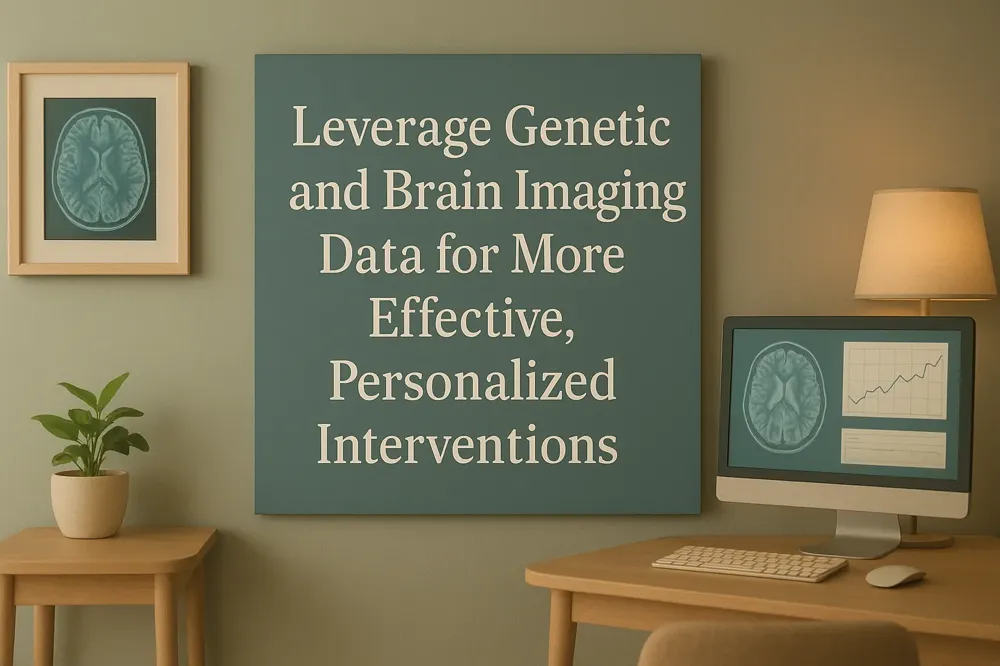
Personalized mental health treatment offers a compassionate and precise approach by tailoring therapeutic approaches, considering medical history and genetic makeup. This specificity leads to quicker symptom relief and reduces time spent on ineffective therapies.
Genetic testing for medication optimization
Genetic testing in mental health identifies which medications are likely to be most effective while minimizing side effects. This targeted approach not only improves treatment outcomes but also reduces the risk of harmful reactions, increasing patient safety and trust.
Brain imaging and depression biotypes
Advanced brain imaging techniques such as fMRI reveal distinct biotypes of depression by examining brain circuit function. For example, hyperconnectivity in the default mode network may indicate a type of depression that responds well to cognitive behavioral therapy (CBT) effectiveness, while other biotypes may benefit more from medication or brain stimulation therapies like transcranial magnetic stimulation (TMS).
Tailored treatment based on neurobiological profiles
Integrating neurobiological data enables clinicians to customize interventions precisely. Patients can be matched with therapies that target specific brain circuit dysfunctions, improving efficacy and reducing the trial-and-error approach common in psychiatry.
Utilizing genetic and neurobiological information supports a more proactive and holistic Personalized mental health treatment, enhancing outcomes and empowering patients through individualized, scientifically informed treatment plans.
The Role of Routine Outcome Monitoring and Therapy Outcome Measures

What are therapy outcome measures in mental health?
Therapy outcome measures in mental health are standardized tools used to assess a person's progress and the effectiveness of their treatment. These include questionnaires and psychometric scales that evaluate symptoms like depression, anxiety, or overall functioning. By providing quantitative feedback, these tools help both clinicians and clients understand how therapy is impacting mental health over time.
How does routine outcome monitoring (ROM) support personalized care?
Routine outcome monitoring (ROM) involves regularly administering these therapy outcome measures throughout the treatment process. This ongoing assessment allows clinicians to gather continuous psychometric feedback and identify how patients respond to different interventions.
How is progress tracked and treatment adjusted?
Clinicians use the data from ROM to track symptom changes and functional improvements, identifying what works best for each individual. If outcomes stagnate or worsen, treatment plans can be promptly adjusted to better fit the patient’s unique needs. This data-driven mental health decision-making approach enhances decision-making beyond clinical intuition, supporting Personalizing mental health interventions, evidence-based care.
In summary, therapy outcome measures combined with routine outcome monitoring offer a practical framework to monitor mental health progress and adapt treatments thoughtfully, improving the chances of successful therapy outcomes.
Effective Therapy Modalities for Adolescents and Adults
What are some evidence-based therapies used in mental health treatment?
Evidence-based mental health therapies encompass various psychosocial interventions proven effective across ages and conditions. Cognitive Behavioral Therapy (CBT) is widely used to address depression, anxiety, OCD, and ADHD by helping individuals recognize and change unhelpful thoughts and behaviors, promoting lasting symptom relief. Dialectical Behavior Therapy (DBT) is particularly effective for intense emotional regulation difficulties, including self-harm and suicidal ideation, providing mindfulness and interpersonal skills. Family therapy supports relational dynamics and is invaluable when addressing adolescent mental health challenges or substance abuse. Many conditions, especially severe ones like psychosis and bipolar disorder, benefit from combined medication and psychotherapy approaches, enhancing overall treatment outcomes.
What are some effective therapy activities for teens?
Therapeutic activities for adolescents are best when engaging, diverse, and tailored to developmental needs. Mindfulness exercises, like deep breathing or body scans, help teens gain self-awareness and reduce anxiety. Creative therapies including art, music, and dance allow expressive outlets for difficult emotions. Journaling supports reflection and emotional processing. Role-playing provides a safe space to practice social skills and manage fears. These activities equip teens with practical coping tools that foster resilience and emotional regulation.
What are the benefits of multi-modal therapeutic integration?
Integrating multiple therapeutic approaches tailors treatment to the individual's unique needs, promoting more robust outcomes. Combining CBT, DBT, mindfulness, and family involvement creates a holistic framework addressing cognitive, emotional, and social aspects of mental health. Personalized treatment plans that blend modalities often yield quicker symptom relief, greater patient engagement, and reduced relapse rates. This multi-faceted approach aligns well with the complexity of adolescent and adult mental health, supporting each person's journey towards stable well-being.
Addressing Challenges and Disadvantages of Personalized Therapy
What are the potential disadvantages of personalized therapy?
Personalized therapy brings many benefits but also presents some notable challenges. One significant concern is cost and accessibility. Genetic testing, advanced assessments, and specialized treatment plans can be expensive, potentially limiting access for individuals without sufficient insurance coverage or financial resources. These costs may also include longer evaluation periods and more frequent consultations.
What are the privacy concerns related to personalized therapy?
Privacy is another important issue. The collection of sensitive genetic and personal data raises questions about data protection, confidentiality, and potential misuse. Ensuring that these data are securely stored and handled is critical to maintaining patient trust and complying with legal standards.
How consistent is the effectiveness of personalized therapy?
The effectiveness and validation of personalized therapy can vary. Not all personalized approaches have strong scientific evidence supporting their use across different mental health conditions. Ongoing research is necessary to validate methods and ensure treatments are reliably beneficial for diverse populations.
These challenges highlight the need for continued development, equitable access, and careful oversight in implementing personalized mental health treatment to maximize benefits while minimizing risks.
Enhancing Therapy Outcomes Through Personalized Support Plans and Patient Engagement
Why is it important to develop a personalized understanding of mental health?
Developing a Personalized mental health treatment is vital because every individual’s mental well-being is shaped by unique biological, psychological, and social factors. By Tailoring therapeutic approaches based on these personal characteristics—such as medical history, lifestyle, and social environment—therapists can target the root causes of distress more effectively. Personalized mental health treatment not only improves therapy outcomes but also strengthens the therapeutic alliance, encouraging trust and open communication. This collaborative approach actively involves patients in treatment decisions, enhancing motivation and adherence to therapy. Patients benefit from an integrative approach that adapts to their evolving needs, combining modalities like Integrating cognitive-behavioral therapy (CBT), medication, or mindfulness to optimize recovery.
Tailored interventions based on individual biopsychosocial factors
Personalized mental health treatment plans assess the biological, psychological, and social contributors to mental health challenges. Using tools like Genetic testing in mental health and comprehensive client assessments enables clinicians to design interventions specific to the patient's profile, reducing trial-and-error methods. For example, understanding genetic makeup can guide medication choices that minimize side effects. Psychosocial factors—including family dynamics, lifestyle, and cultural background—also inform therapy techniques and support services, fostering holistic healing. Tailored plans can adjust dynamically, accommodating changes in symptoms or life circumstances, thus promoting Quicker symptom relief and long-term well-being.
Role of shared decision-making and psychoeducation
Engaging patients through Shared decision-making in treatment empowers them to actively participate in their care. This collaborative process builds trust, ensures that goals align with patient values, and increases commitment to treatment. Psychoeducation benefits further equips patients with knowledge about their condition and the rationale for selected interventions. Together, these strategies enhance motivation, reduce stigma, and improve adherence. Understanding the "why" behind treatment encourages patients to apply coping skills and maintain progress beyond therapy sessions.
Use of digital tools and AI for continuous monitoring
Innovations in Digital tools in mental health care—such as wearable devices, mobile questionnaires, and AI-powered algorithms—enable continuous monitoring of symptoms and functioning. This real-time data allows clinicians to make timely adjustments to treatment plans, optimizing effectiveness. Clinical decision support systems in psychiatry analyze large datasets to predict treatment response and recommend personalized interventions, aiding clinical judgment without replacing therapist expertise. Routine outcome monitoring (ROM) provides psychometric feedback that tracks progress objectively, helping both patient and provider stay informed and engaged in the healing process.
The Future of Personalized Mental Health Care: Technology and Supervision Innovations
How is telehealth and digital therapeutics shaping personalized mental health care?
Telehealth and digital therapeutics are revolutionizing access and customization of mental health treatment. By leveraging HIPAA-compliant online platforms, therapy can be delivered remotely, breaking geographical barriers. Digital apps and tools collect ongoing patient data, enabling clinicians to track symptoms and adjust interventions dynamically. This flexibility supports personalized mental health treatment tailored to the evolving needs and preferences of clients, increasing engagement and adherence.
What role do AI and machine learning play in treatment personalization?
Artificial intelligence and machine learning analyze vast data from questionnaires, wearable devices, and electronic health records to inform precision mental health care. These technologies predict individual treatment responses, guide medication choices, and recommend evidence-based interventions through clinical decision support systems in psychiatry. Importantly, AI enhances clinical decision-making without replacing the therapeutic relationship, allowing for more accurate and adaptive treatment strategies.
Why are outcome-based supervision models important in mental health care?
Outcome-based supervision models, such as the one used by Sentio Counseling Center, integrate Deliberate Practice and routine outcome monitoring. This approach provides supervisors with data-driven, specific feedback to improve therapist performance and client results. By focusing on measurable therapy outcomes and evidence-based practices, supervision ensures high standards of care and supports ongoing professional development, which benefits clients through more effective and personalized interventions.
Personalized Therapy: A Pathway to Improved Mental Health Outcomes
Enhancing Mental Health with Personalized Therapy
Personalized therapy adapts mental health treatment to align with each individual's unique characteristics, needs, and life circumstances. This tailored approach enhances engagement, improves adherence to treatment plans, and often results in faster symptom relief and more sustained well-being. By integrating diverse modalities like cognitive-behavioral therapy, mindfulness, and medication management, personalized care addresses the complex interplay of biological, psychological, and social factors influencing mental health.
The Value of Seeking Tailored Support
Individuals are encouraged to pursue mental health care that recognizes their specific needs and preferences. Open communication with providers ensures that treatments remain relevant and effective. Furthermore, technological advances—including telehealth, digital tools, and AI—are expanding access to personalized care, making it more feasible for diverse populations to benefit from these interventions.
Advancing Toward a Precision Future
Continued research is vital to refine personalized therapies, integrating cutting-edge tools such as genetic testing, brain imaging, and machine learning. These innovations promise to improve treatment matching, early intervention, and monitoring of progress. Embracing this direction in mental health care fosters holistic, patient-centered support, ultimately leading to better outcomes and quality of life.