
Making Space for a Helpful Session
Telehealth counseling lets you meet with a therapist remotely, often by video. It can make care easier to access, but a virtual appointment may also bring questions about privacy, technology, or being on camera. Those concerns are reasonable to raise, and you do not need to have everything figured out before you begin.
A little preparation can help you feel more settled, not make the session perfect. Choosing a private place and checking your device can support focus, while a therapist can help discuss practical privacy questions and technical concerns. The U.S. Department of Health and Human Services telehealth guidance offers advice for patients preparing for a remote visit.
This guide covers what may happen in a first appointment, ways to prepare your space, and steps that can help protect privacy. It also considers alternatives when video feels uncomfortable or virtual care is not working well. At juliaflynncounseling.com, therapy is personalized for adults and teens, and you can bring questions about what format feels manageable.
What to Expect at a First Session
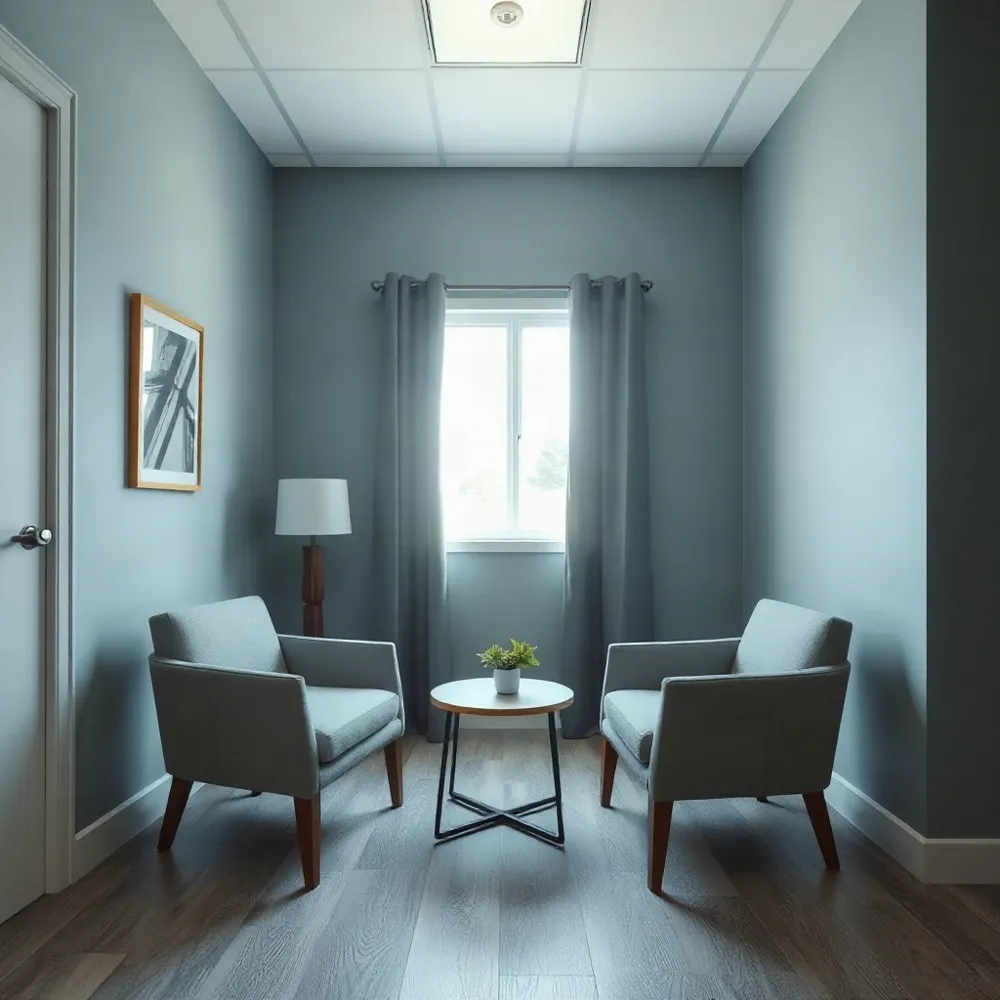 A first therapy session is usually a conversation, not a test. You and your therapist may talk about what brings you to therapy, relevant personal or treatment history, and what you hope might change. The therapist may also explain how sessions work and discuss practical details.
You can ask about confidentiality and its limits, including how your information is handled. Understanding these boundaries can help you decide what you feel ready to share. If you have questions about privacy, write them down beforehand or bring them up as they occur to you.
You are not expected to solve everything, tell your whole life story, or arrive with a polished explanation. It is fine to be unsure where to begin. Share at a pace that feels manageable, and remember that you can return to a topic in a later session. A first appointment commonly includes introductions and a discussion of concerns and goals, as described in this guide to what to expect in a first session.
If it feels useful, jot down a few concerns, hopes, or questions about the therapy process. Notes can offer a starting point if you feel stuck, but there is no need to prepare an agenda or bring anything written. The conversation can unfold naturally.
Nervousness, uncertainty, or strong emotions are all understandable when meeting a therapist for the first time. You can say if you feel overwhelmed, need a pause, or would like to slow down. At Julia Flynn Counseling, therapy is personalized for adults and teens, so you can discuss what feels manageable and what support you are hoping for.
Preparing for a Virtual Appointment
 Telehealth counseling lets you meet with your therapist remotely, usually by secure video call, though some therapists may offer phone sessions. Formats and joining steps vary by practice, so follow the instructions your therapist provides. For general preparation guidance, the HHS telehealth visit checklist is also a helpful reference.
Before the appointment, confirm the time and how to join. Open any session link or app as directed, and check that your internet connection, camera, and microphone work. Charge your device or keep it plugged in. If you expect technical difficulties, contact your therapist’s office in advance to ask what support is available and agree on what to do if the connection fails.
Choose a comfortable place where you can focus and speak freely. A room with a door may help, but the setting does not have to be perfect. If privacy or technology access is a concern, raise it with your therapist beforehand so you can discuss practical options together. A private Wi-Fi connection or cellular data is preferable to public Wi-Fi when possible.
A headset can make it easier to hear and reduce the chance that others nearby overhear the conversation. You might also keep water, tissues, or notes within reach. The AHIMA guidance on telehealth privacy and security highlights how both the setting and technology can affect privacy. Still, there is no required setup: choose what helps you feel comfortable, and leave out anything you do not need.
At juliaflynncounseling.com, the guide to preparing for a first telehealth session offers practice-specific preparation guidance. A few simple checks can make it easier to settle in, but you do not need to have everything perfectly arranged before therapy begins.
Protecting Privacy During the Call
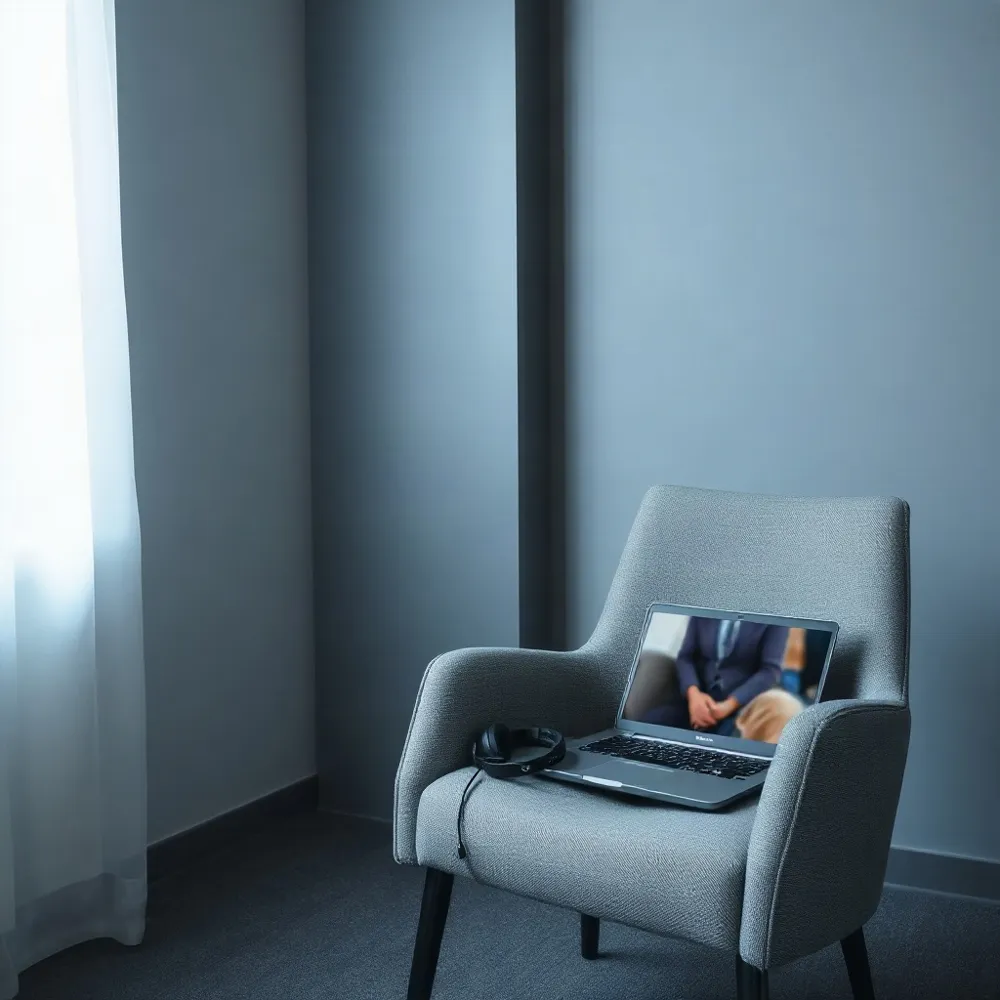 A private video platform cannot control everything happening on your side of the call. Someone nearby may overhear, enter the room, or see sensitive details on a screen, so privacy depends on both the digital connection and your surroundings. A review of digital privacy in mental healthcare describes these risks and the need to consider the client’s setting as part of telehealth care (digital privacy in mental healthcare).
Choose the quietest, most private place available, and let household members know you need uninterrupted time. Headphones can make it harder for others to hear the therapist. If you share a home, device, or account, consider whether appointment reminders, message previews, or saved links could be visible to someone else. Use a password-protected device, keep its software updated, silence notifications, and turn off smart speakers nearby.
When possible, use a secure internet connection rather than public Wi-Fi, and consider a virtual private network if you are concerned about your connection. If you are using a work device, check whether your employer can access your activity, and use a personal device when that is an option. If you are concerned about your safety, you can also ask your therapist about the platform’s privacy settings and what information appears on your account or billing statement. A brief conversation about these details can help you feel more confident about the privacy of your sessions (digital privacy in mental healthcare.
Understanding Session Recording
Telehealth therapy sessions are not automatically recorded, and recording is not typically part of routine care. If a therapist proposes recording or transcription for a specific reason, such as supervision or training, they should explain its purpose and discuss the privacy implications before asking for your informed consent.
You can ask what information would be captured, who could access the file, how it would be stored, and when it would be deleted. Audio, video, and transcripts can contain sensitive details about you and your surroundings, so it is reasonable to ask how the practice protects them. Guidance on privacy and security in telehealth also underscores that protecting confidentiality involves more than the video platform alone.
Practices may differ in their policies and procedures, and applicable laws and professional requirements can vary. If you are unsure whether recording is used, ask your therapist directly rather than assuming every practice handles it the same way. Consent should be an open conversation, not a surprise after a session has begun.
If you are considering recording a session yourself, discuss it with your therapist beforehand. Laws and practice policies may apply, and agreeing on expectations in advance can help protect both your privacy and the therapeutic relationship. At Julia Flynn Counseling, clients can raise questions about the virtual-session process directly with their therapist; the practice’s preparation guidance also encourages clients to ask about what to expect.
A simple question can be enough: “Is this session recorded or transcribed, and what happens to any file?” You deserve a clear explanation before deciding whether you are comfortable proceeding.
Finding a Comfortable Video Format
Do you have to show your face during a telehealth therapy appointment? Not necessarily. Many appointments use video, but camera expectations depend on your therapist’s policies, the platform, and what is appropriate for your care. Looking toward the camera can support communication, but it does not mean every client must keep video on throughout a session. Ask your therapist what formats are available and what they recommend for your situation.
If being on camera makes you self-conscious, or you lack a private space, reliable internet, or a camera-equipped device, raise that concern rather than assuming you must continue on video. Privacy and connection quality can affect whether a virtual visit feels workable, and telehealth guidance from HHS can help you prepare questions for your provider.
You can ask whether keeping your camera off or meeting by phone is an option. Availability and suitability vary by therapist and clinical needs, so there may not be one format that works for everyone. At juliaflynncounseling.com, care is personalized for adults and teens, making it reasonable to discuss what helps you participate comfortably. The practice’s guidance on preparing for a telehealth session also addresses how video expectations can depend on the therapist, platform, and care context.
The aim is not to meet an unwritten camera rule. It is to find a format that supports privacy, communication, and your treatment needs, in conversation with your therapist.
When Virtual Therapy Is Not Working
Technical difficulties, household distractions, privacy worries, or feeling self-conscious on camera can make it harder to take part in therapy. These are valid concerns, not a sign that you are doing anything wrong. Tell your therapist what is getting in the way so you can consider practical changes together.
Before your next appointment, check that your internet connection, camera, and microphone are working. If problems continue, you could try another device or a quieter, more private location. A headset may help with sound and privacy, while moving notifications out of view can reduce interruptions. Telehealth privacy and security guidance also emphasizes that a client’s setting and technology can affect communication.
Agree in advance on what to do if the video call freezes or disconnects. You might try rejoining the session first, then use a phone call if your therapist considers that appropriate. The U.S. Department of Health and Human Services telehealth guidance offers preparation advice for patients, but your therapist’s own procedures will determine which backup options are available.
If the format itself feels uncomfortable, ask whether phone sessions or in-person appointments are available and suitable for your needs. Options depend on the therapist, practice, and clinical circumstances, so an alternative may not always be possible. At juliaflynncounseling.com, care is personalized for adults and teens, making it appropriate to discuss how your experience and preferences can inform the approach.
You do not have to decide on your own whether to continue virtually. Explain what has and has not helped, and work with your therapist to consider adjustments or other options. If the connection, privacy, or camera experience remains a barrier, practical preparation for a virtual appointment can offer ideas to discuss, while the decision about the right format can stay collaborative.
A Grounding Exercise for Anxious Moments
When anxiety feels overwhelming, a brief sensory exercise may offer a place to begin. The 3-3-3 rule guides your attention toward what is happening around you and in your body, rather than asking you to push anxious thoughts away.
What is the 3-3-3 rule, and how can it help with anxiety?
Try the exercise at a pace that feels comfortable. First, name three things you can see. Notice a detail about each one, such as its shape, color, or position. Next, identify three sounds you can hear, whether they are nearby or in the distance. Then move or notice three parts of your body. You might wiggle your toes, roll your shoulders, or feel your hands resting in your lap.
There is no need to get the steps exactly right. If it is difficult to move, simply notice three body sensations, such as your feet against the floor or your back against a chair. Engaging your senses and body can shift attention toward the present moment, though people respond differently and the exercise may not ease anxiety every time.
You can try the 3-3-3 rule before a stressful appointment or during a moment of rising anxiety. If it feels useful, consider keeping it among other grounding tools you can turn to when needed, such as the 3-3-3 grounding exercise. At juliaflynncounseling.com, therapy is personalized for adults and teens, so you can discuss what support fits your circumstances rather than relying on one technique.
Grounding is not a guaranteed treatment or a replacement for individualized care. If anxiety is persistent, interferes with daily life, or leaves you unsure what might help, a mental health professional can work with you to explore additional support.
Preparation Without Pressure
A little preparation can make it easier to settle in and focus, but it is not a test you need to pass. You might jot down a question, check your connection, or simply arrive as you are. There is no single right way to get ready, and you do not need to have your concerns neatly explained before the conversation begins.
If practical questions are on your mind, you can ask your therapist about them. That might mean discussing privacy in your space, troubleshooting the video connection, or asking whether camera or phone options are available. The HHS guide to preparing for a telehealth visit offers general guidance, while your therapist can explain the arrangements for your sessions.
You can also say if you would rather take a topic slowly, need a moment to think, or are unsure where to begin. At Julia Flynn Counseling, therapy is personalized for adults and teens, so sharing what would help you feel more comfortable can inform the conversation. Preparation is there to support you, not to set expectations you must meet.